
University of Cambridge, West Cambridge Site
Heat Network
Techno-economic feasibility study of centralised vs decentralised heating replacement
Client: University of Cambridge
Status: N/A
OVERVIEW
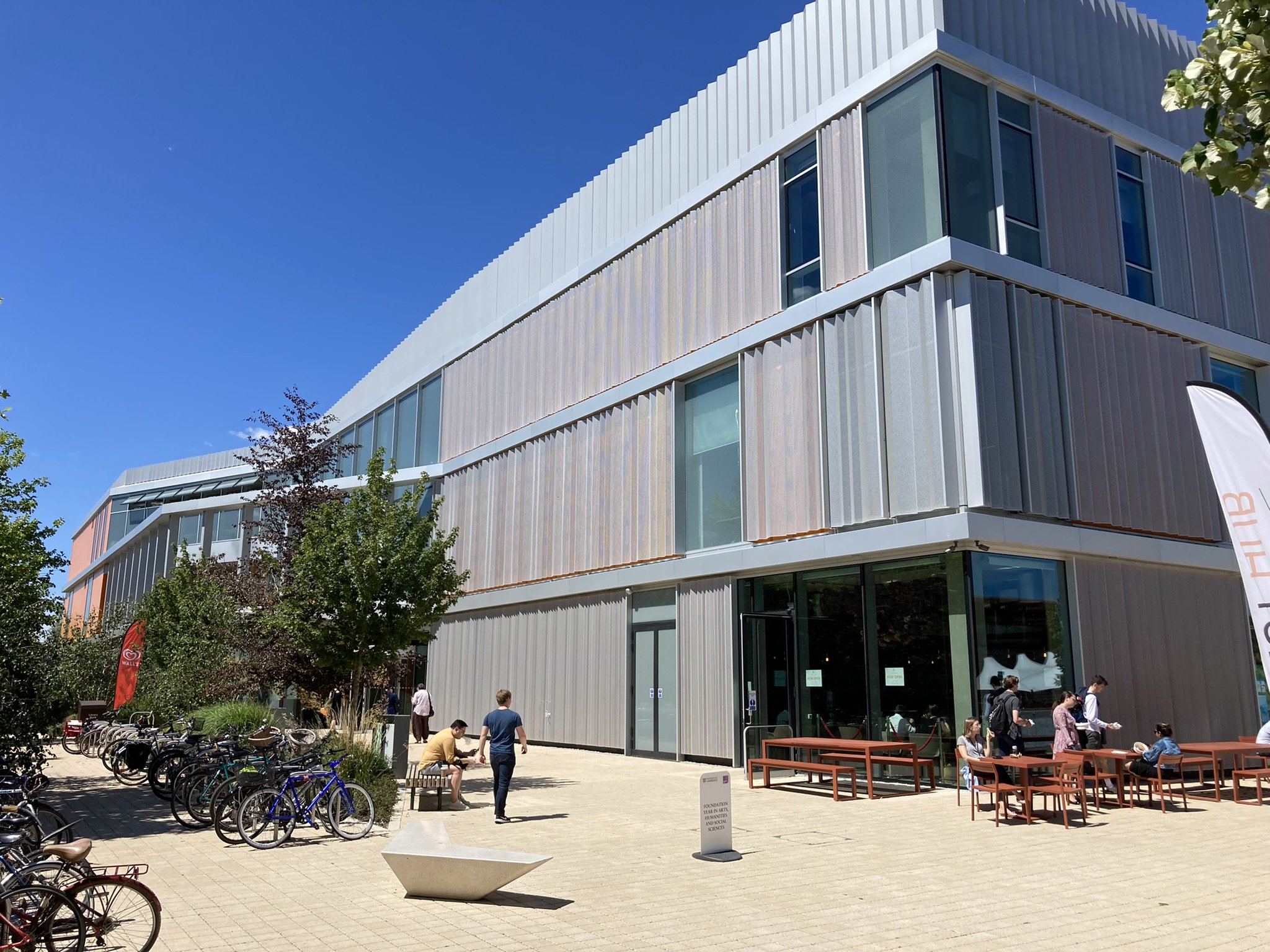
JGC collaborated with Bouygues Energies & Services (E&S) and CB3 Consulting to conduct a Techno-Economic Feasibility Study for the University of Cambridge. The study centred on developing a 5th Generation Heating and Cooling Energy Recovery Network for the University’s West Cambridge site.
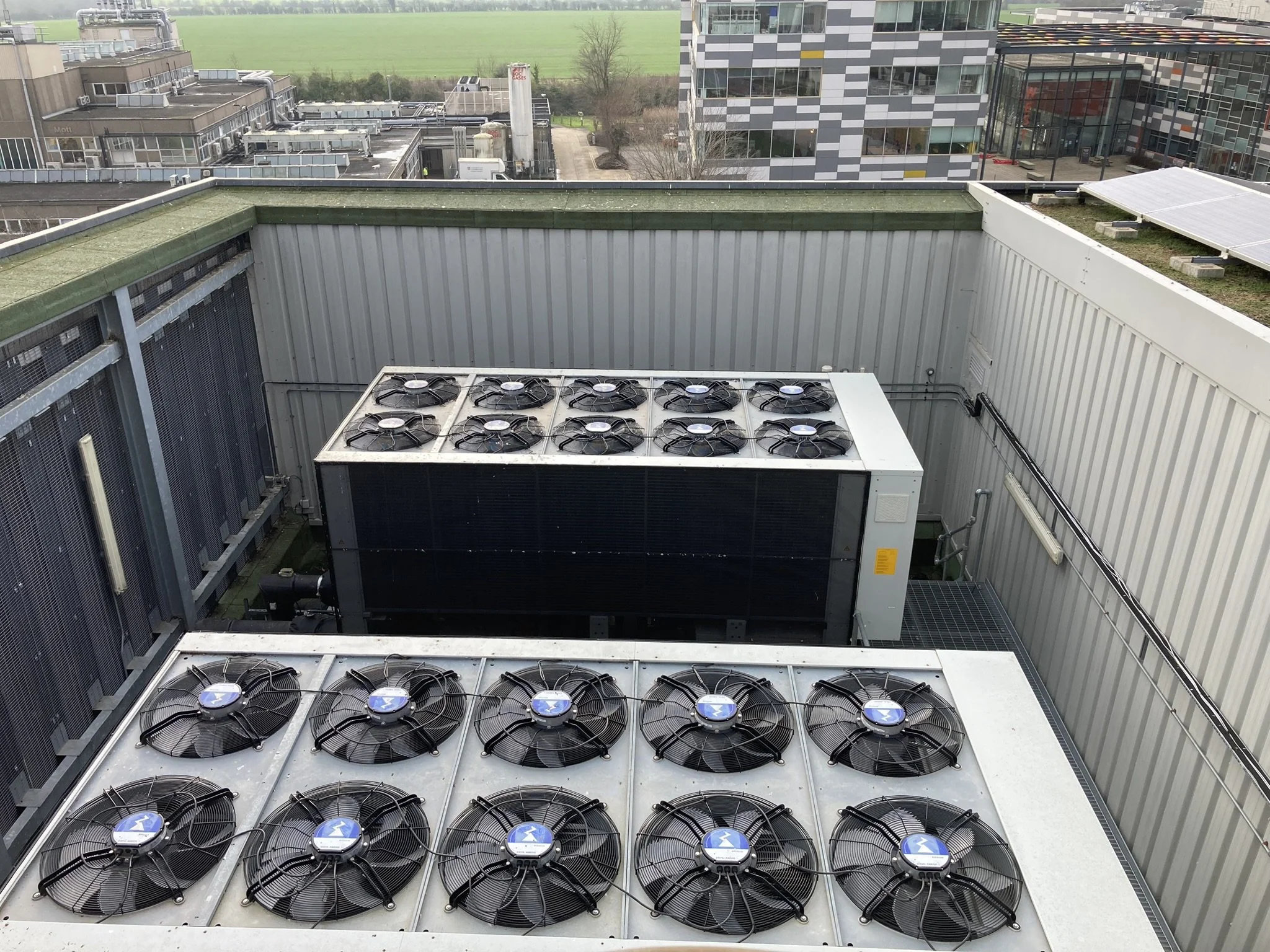
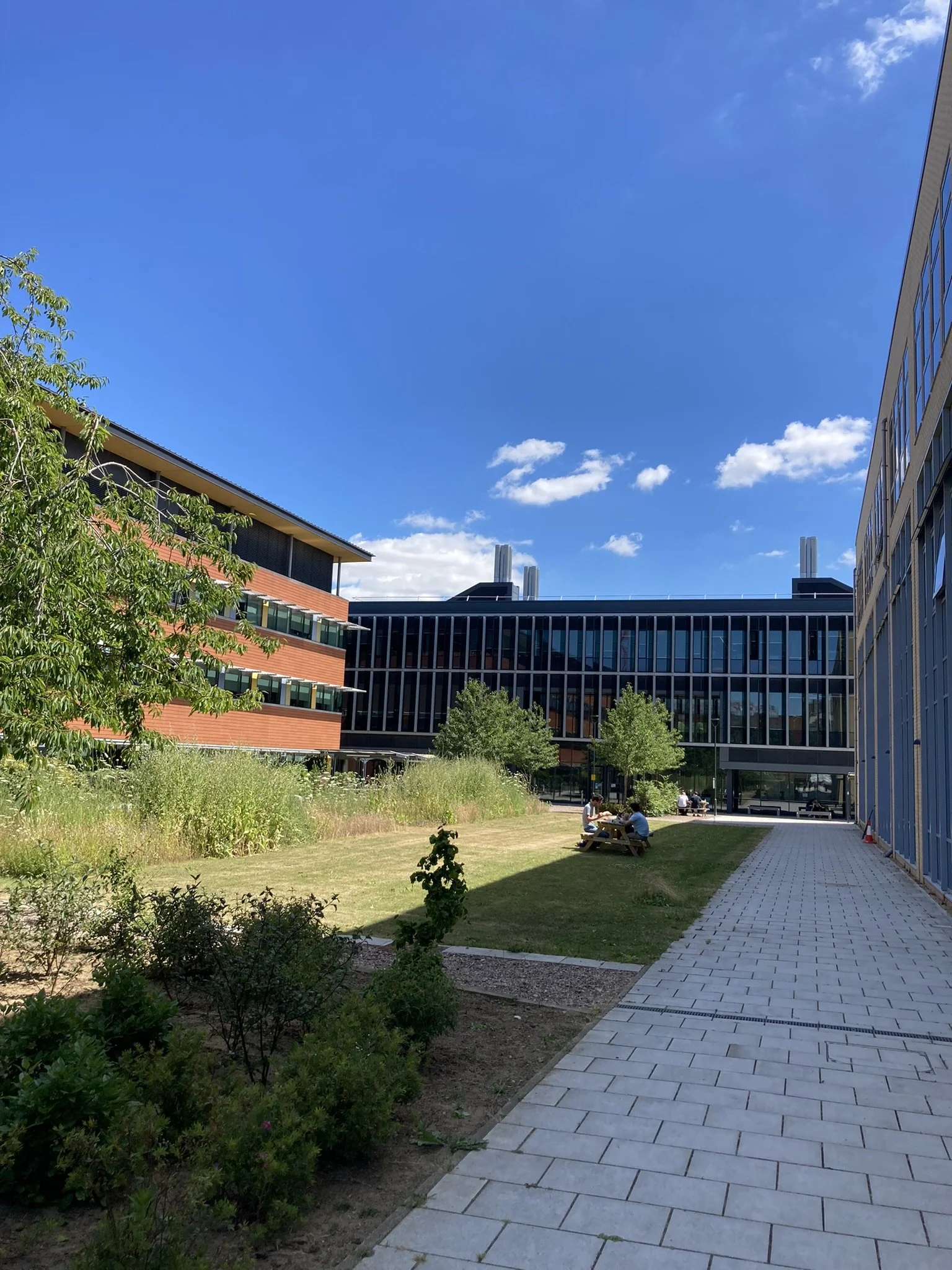
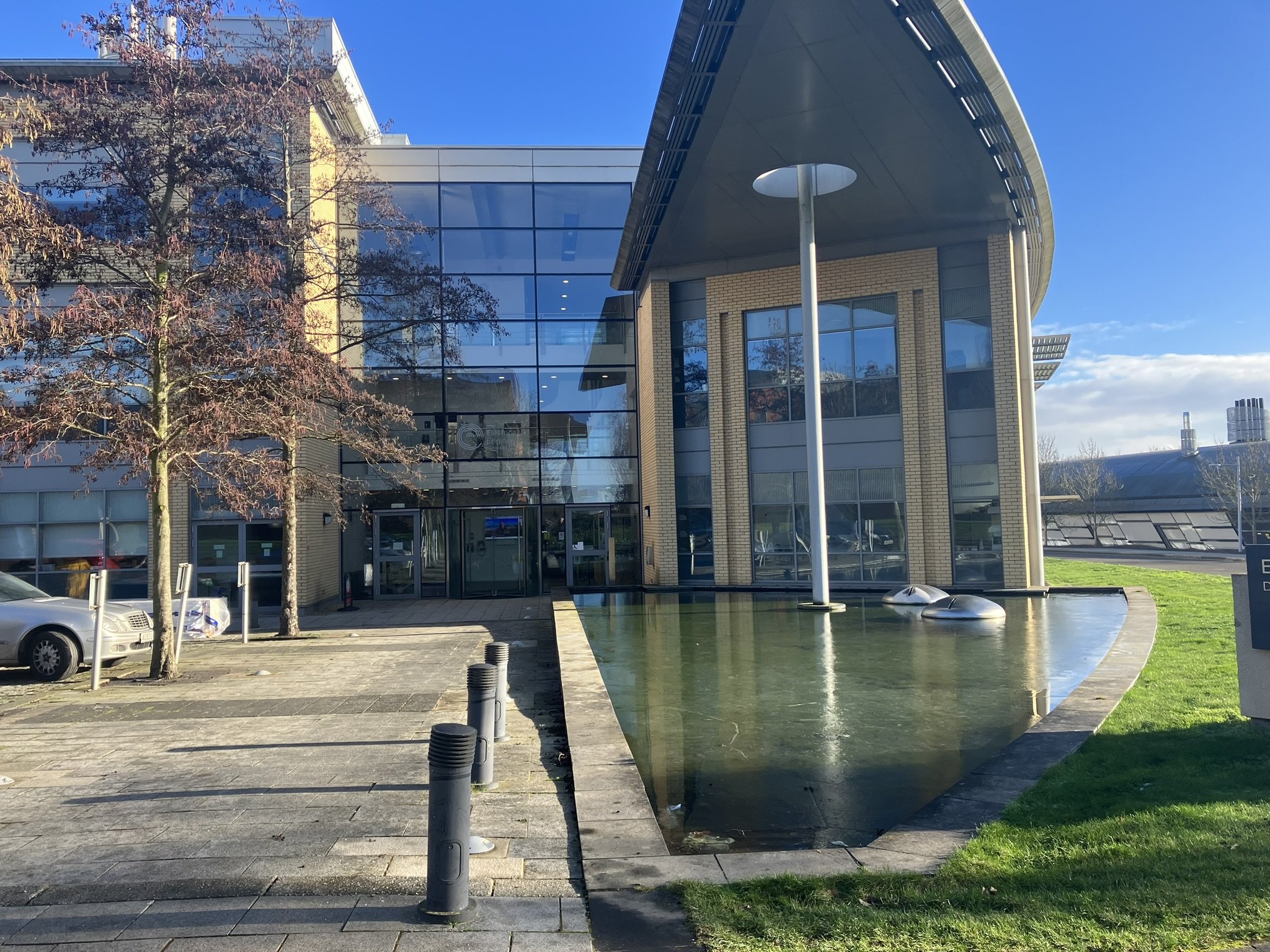
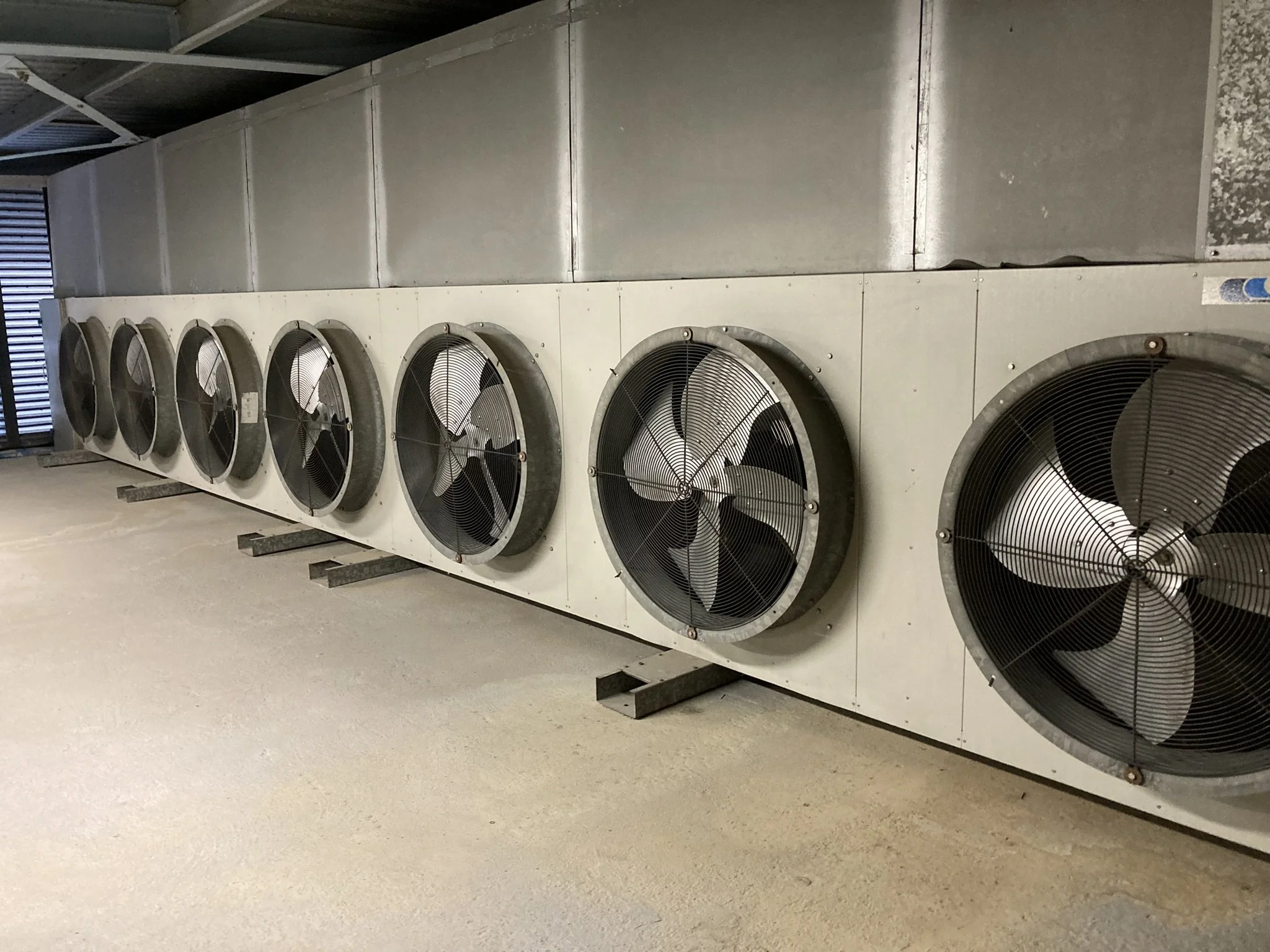
The West Cambridge site houses numerous energy-intensive research and development facilities, including high-performance laboratories, office spaces, and teaching buildings. This location presents an opportunity to implement innovative heat network solutions to manage energy use and achieve the University’s sustainability objectives. The study thoroughly examined potential heat recovery strategies, energy flows, and the incorporation of low-carbon technologies.
JGC worked on modelling and optimising the design of an ambient loop network to provide heating and cooling to the site’s buildings by circulating a fluid at a relatively constant, low temperature. This system was designed to be highly energy-efficient, enabling heat recovery from various sources, including waste heat from industrial processes and data centre infrastructure.
To assess the viability of this approach required careful modelling and design of the proposed hydraulic configuration. JGC focused on developing a solution that would minimise energy losses from the centralised circulation pumps, which are crucial for maintaining the ambient loop's flow and ensuring the system operates at peak efficiency. Detailed hydraulic modelling was conducted to optimise the design, aiming to reduce pumping energy and enhance system performance across the site's diverse range of building types and energy demands.
The engineering solutions were used to evaluate the techno-economic feasibility of the energy recovery network, assessing the potential for cost savings, carbon reductions, and long-term operational savings. The design team’s outputs enabled the University to assess the network's financial viability, identify funding opportunities, and develop a practical roadmap for implementing such a system.