
Trinity College Decarbonisation
Decarbonisation masterplan for historic college centre
Client: Trinity College
Status: N/A
OVERVIEW
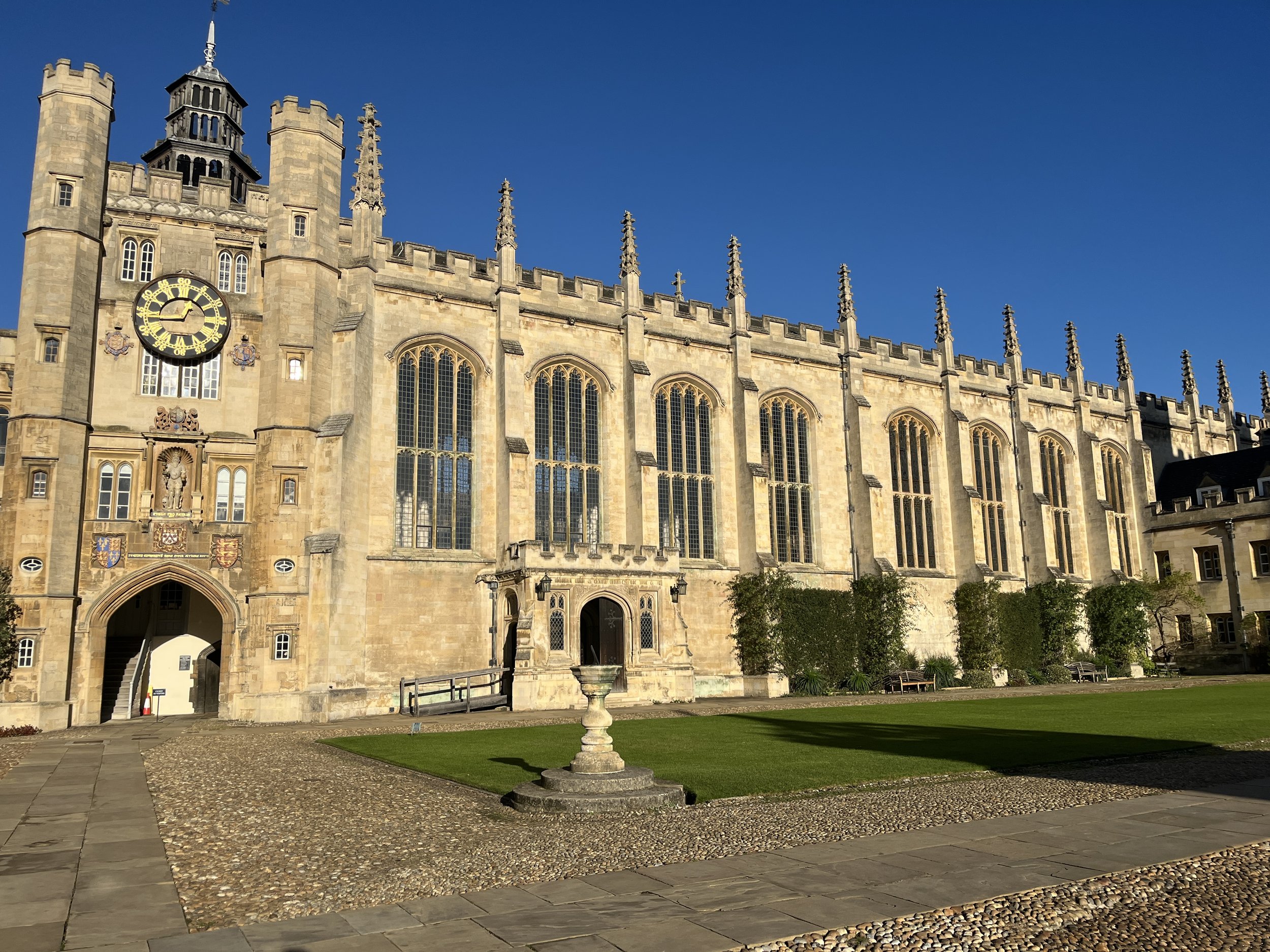
Trinity College, Cambridge, has set an ambitious target to reduce carbon emissions and decarbonise its historic operational estate. JGC was appointed as the lead consultant to develop a strategic and practical implementation plan for decarbonisation. Given the College’s extensive estate, including medieval, Georgian, Victorian, and modern buildings that support a variety of uses, a one-size-fits-all approach was unsuitable. Instead, tailored decarbonisation solutions were developed within the specific site and heritage context of each building.
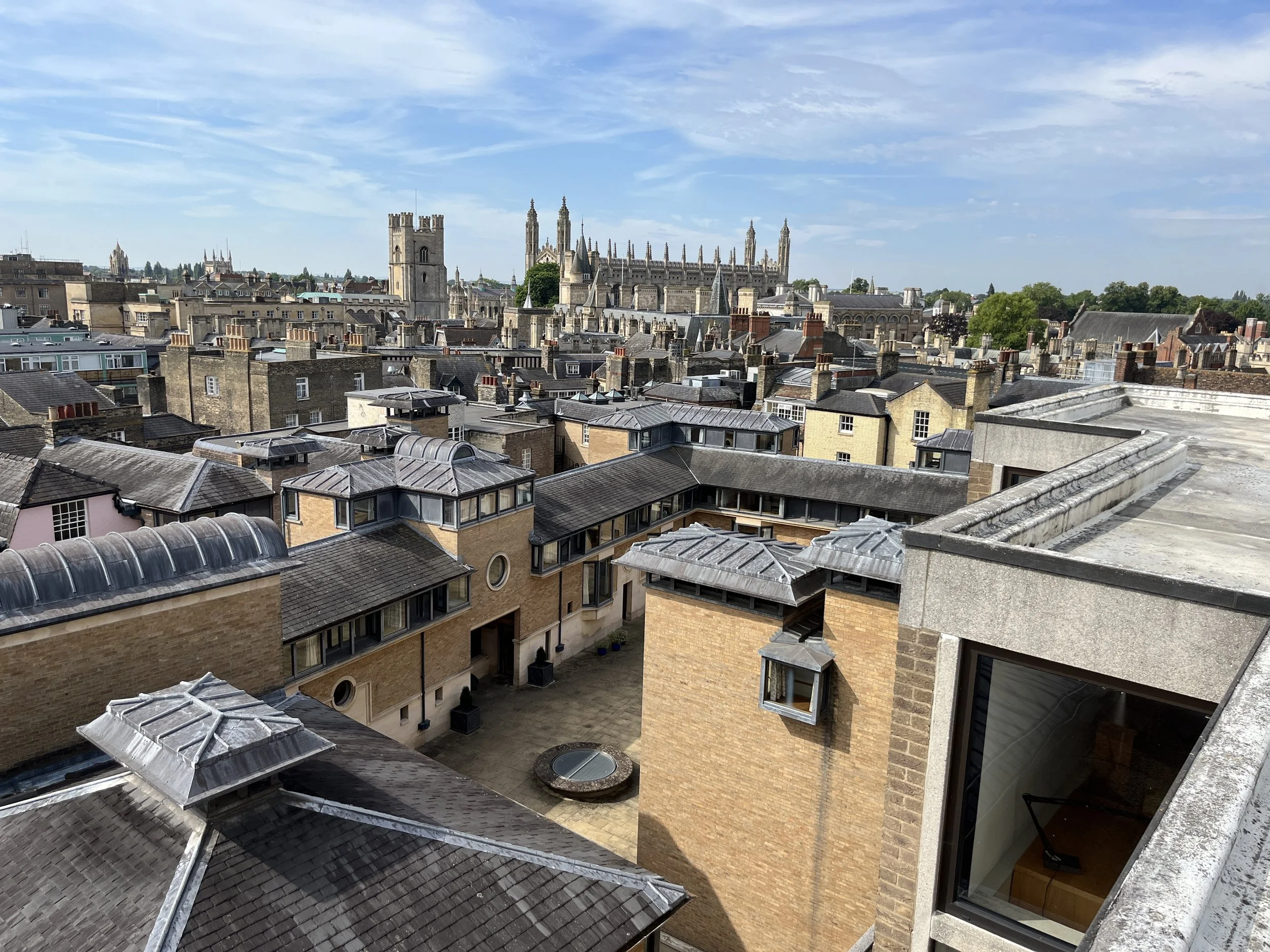
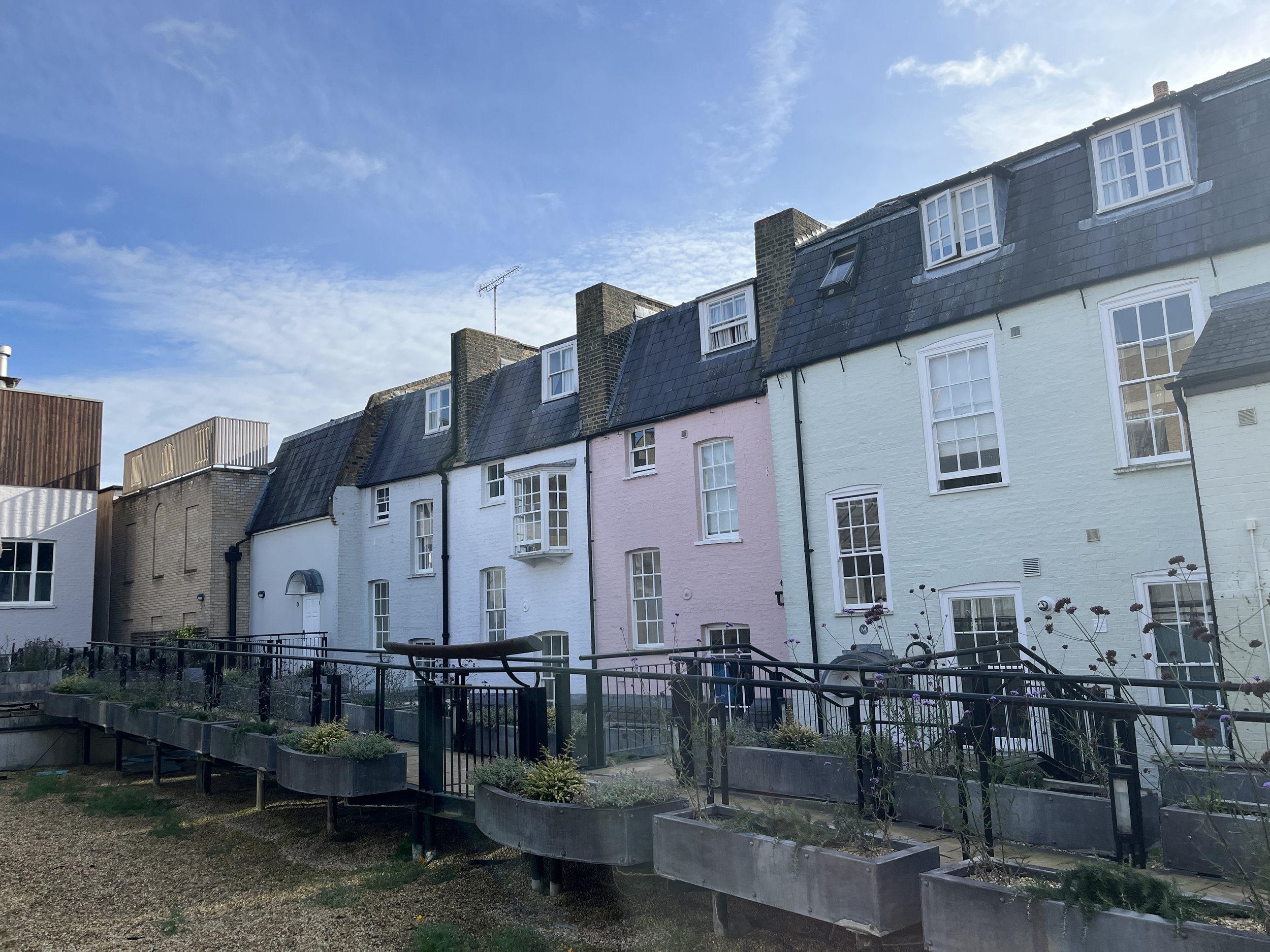
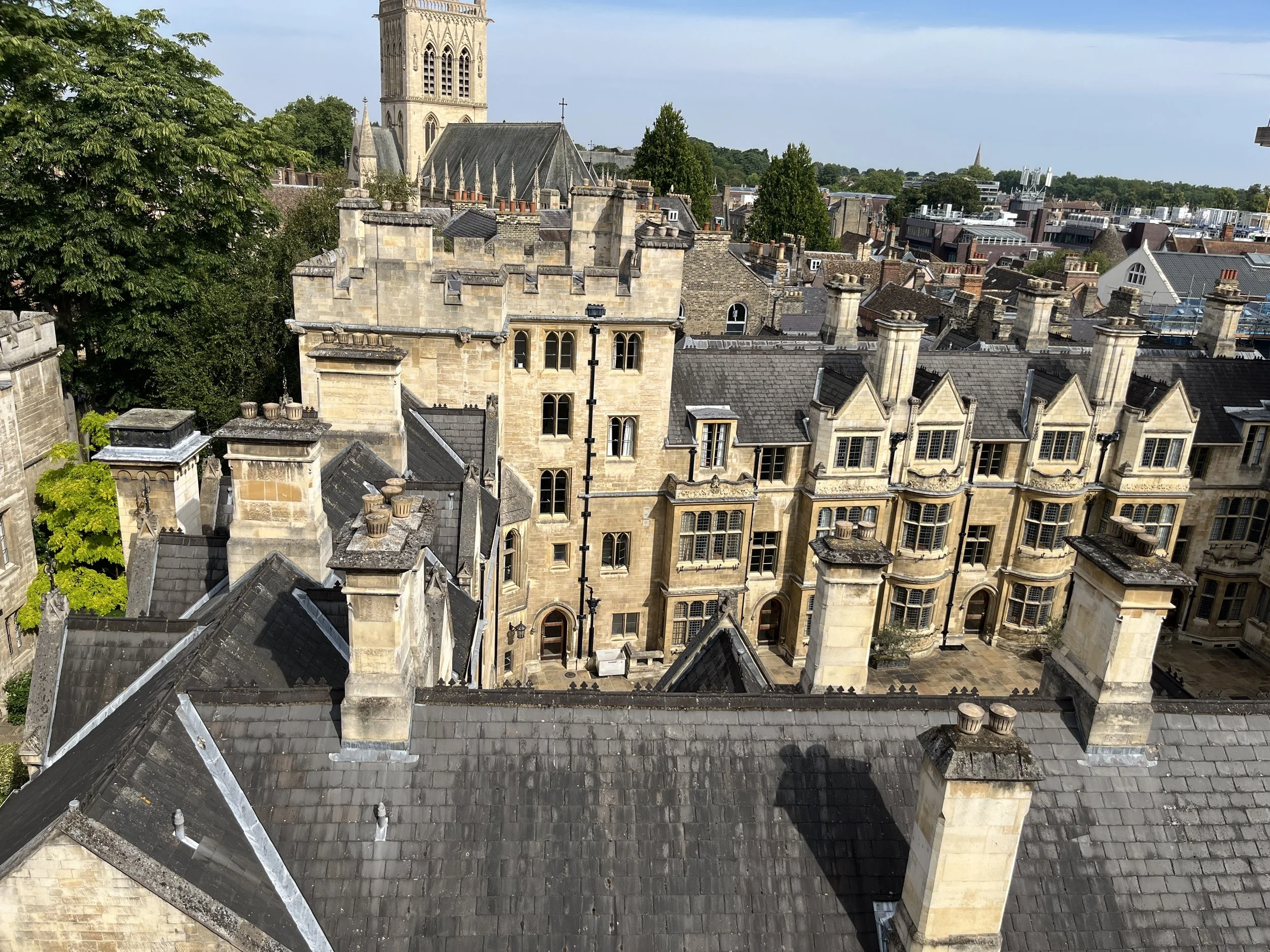
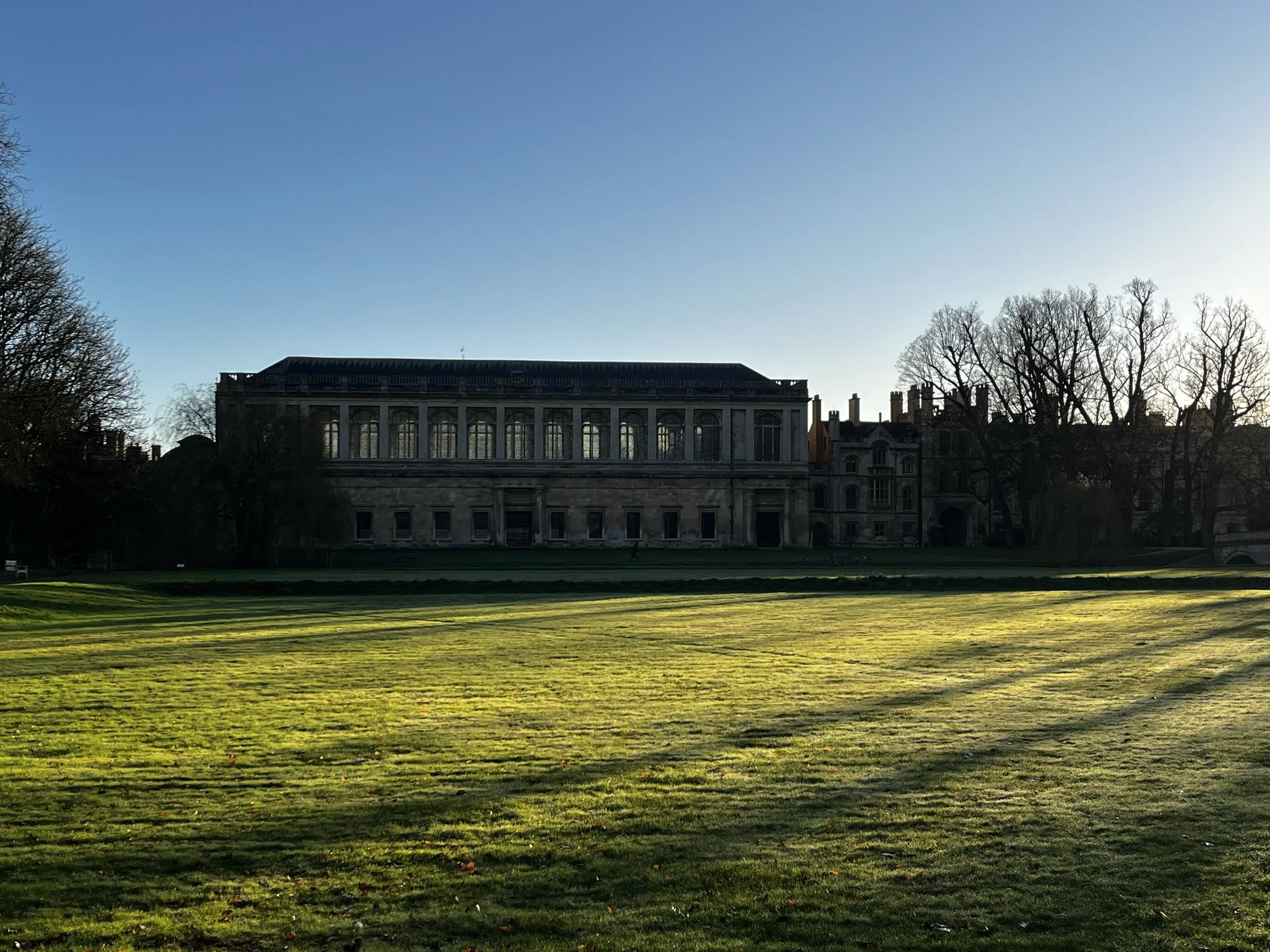
The strategies proposed carefully balance the need for implementing decarbonisation measures against the realities of building heritage, condition, refurbishment schedules, and operational needs. The project works developed were prioritised, where feasible, to align with existing planned refurbishments to improve delivery efficiency and minimise disruption to the college community. A phased decarbonisation implementation approach was prioritised: first, electrifying heating systems in the short term, with suggestions to improve building fabric, forming a longer-term plan to further optimise carbon reductions.
Working alongside Caroe Architecture, JGC conducted detailed surveys and developed heat loss and demand models for each building, combining measured data, site surveys, and façade-by-façade assessments. For the developed proposals, the college’s estate was divided into clusters centred around existing boiler rooms to create manageable zones for investigating options for electrified heating systems. Each cluster’s technical solution was tailored to account for spatial constraints, plantroom conditions, and opportunities to connect with the future Cambridge City Centre Heat Network.
Designs were developed to RIBA Stage 2, providing sufficient detail for realistic cost estimates and enabling the college to plan phases, timelines, and budgets effectively. JGC maintained a holistic view throughout, consulting planning, heritage, structural, and acoustic experts to ensure proposals were viable, sensitive to the historic environment, and achievable within the college’s targeted timeframe.
The resulting decarbonisation plan has enabled the college to develop a clearly phased roadmap to achieving significant carbon reductions while preserving the historic character and operational flexibility of its estate.