
St John’s College External Properties
Decarbonisation masterplan for the college’s external properties
Client: St John’s College, Cambridge
Status: Completed
OVERVIEW
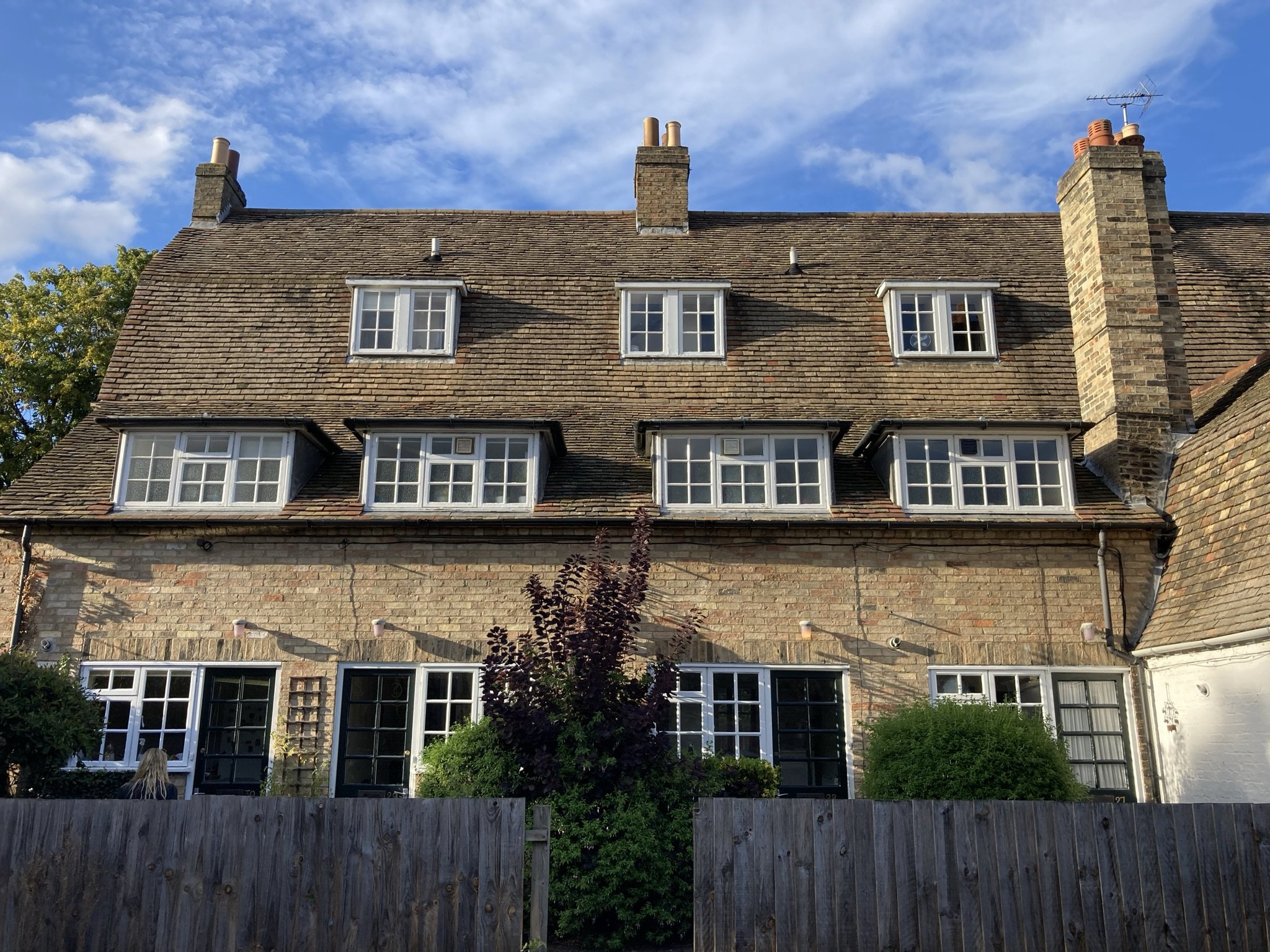
St John’s College, Cambridge, is committed to reducing the energy and carbon footprint of buildings across its estate. In addition to its original collegiate buildings within central Cambridge, the college owns and operates a significant number of external properties and hostels used for administration and student accommodation. The college appointed JGC to review the energy consumption of these external properties, identifying opportunities to reduce energy use and potential decarbonisation projects. The study's outcomes helped the college identify opportunities for viable short- and long-term projects suitable for capital investment.
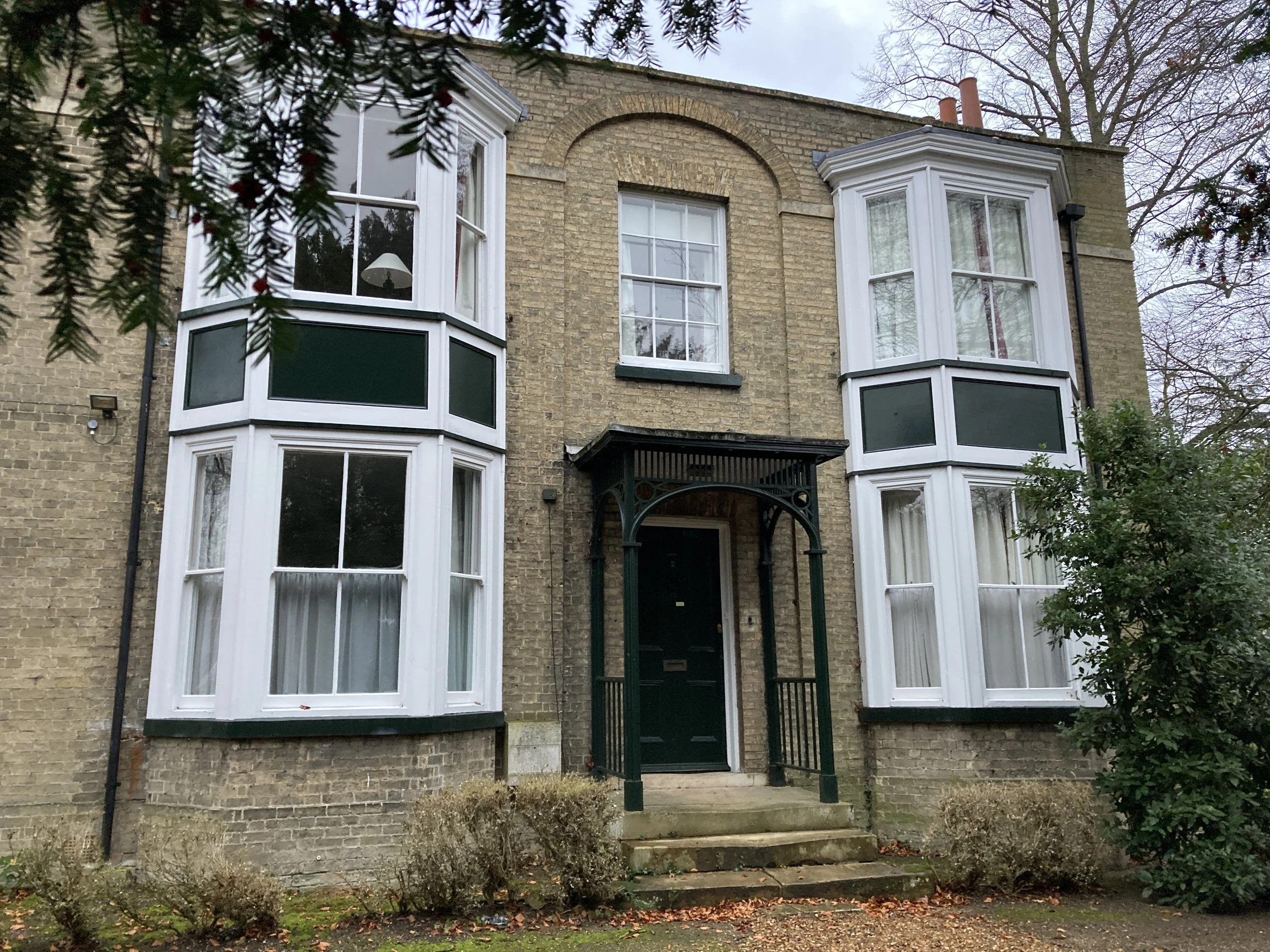
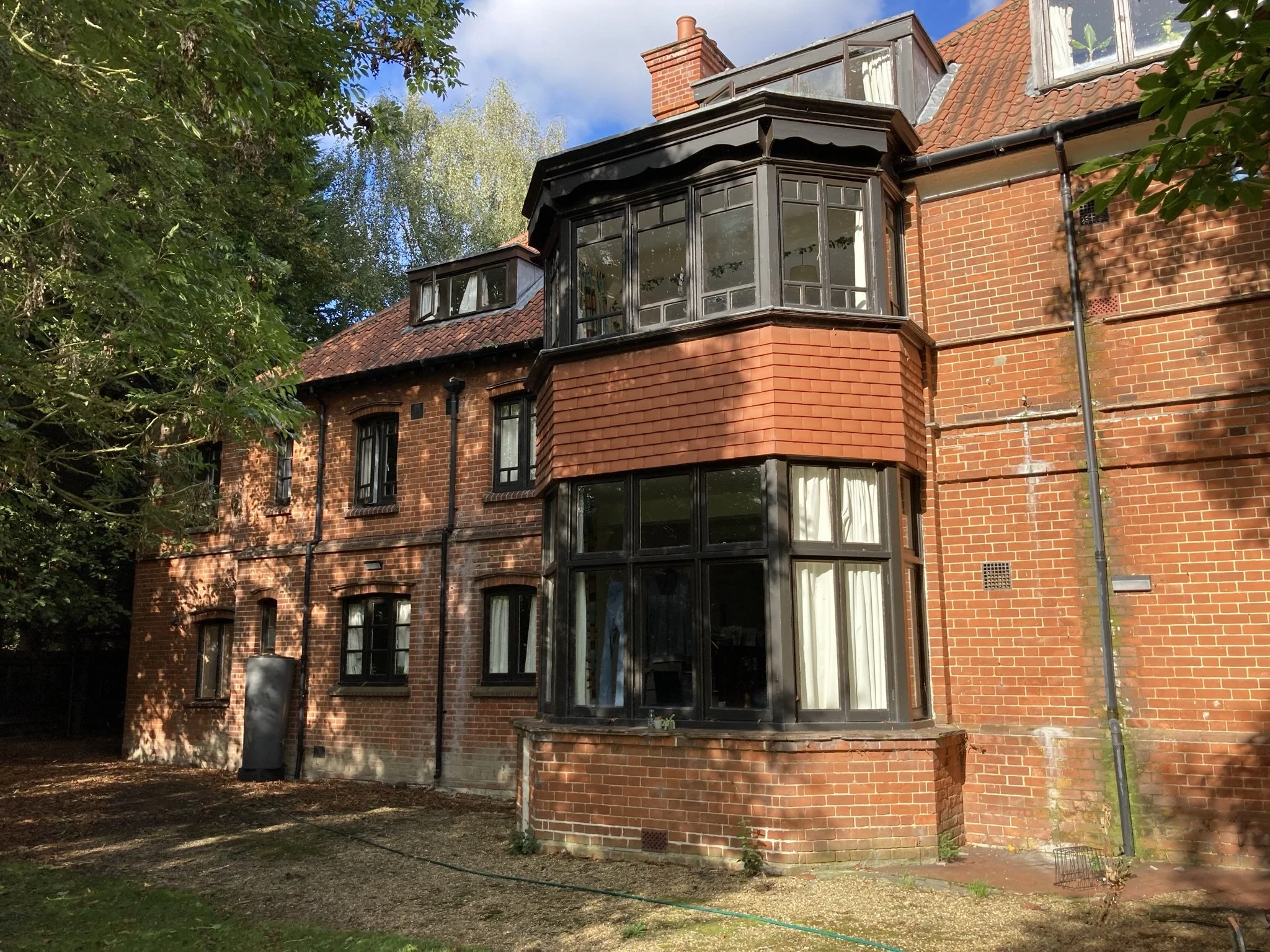


The college estate varies considerably in terms of building age, function and operation. The energy consumption of each building likewise varies significantly. No ‘one size fits all’ approach could be adopted. Instead, each property required a bespoke appraisal of its energy consumption, fabric, existing mechanical and electrical services and its access to low-grade heat. Our approach was to start with an analysis of existing in-use metered energy data for each building to understand how and where energy is used. This analysis was used to evaluate similarities and differences in how the buildings operate, identifying opportunities for low-cost intervention measures to improve efficiency and reduce running costs.
Operational energy data were used to calculate each building's peak heat loss to assess options for heat-source replacement and decarbonisation. Replacement heat sources, such as heat pumps, require careful consideration of their size, location, and environmental impact. Improving the building fabric to reduce peak heat loss can significantly impact the size of replacement low-carbon heating equipment. Our approach was to consider fabric improvements and plant replacement as intrinsically interconnected. However, a ‘fabric first’ approach is not always the most appropriate or viable solution due to outside factors such as planning, heritage and project budget. For the project, we presented a balanced assessment of improvements for each building, focusing on project viability and ease of implementation.
Following the completion of the external properties assessment, St John’s College has implemented decarbonisation projects at several of its sites. The refurbishment of the new Porter’s Lodge on Northampton Street is a good example of how fabric improvements and the installation of low-carbon heat sources can be achieved simultaneously without compromising on the building's architectural character or operational performance. JGC continues to work with the college to monitor the energy use across its estate as decarbonisation projects are completed over time.