
Queens’ College Decarbonisation Strategy
Decarbonisation implementation plan for historic college buildings
Client: Queens’ College, Cambridge
Status: In Design Development
OVERVIEW
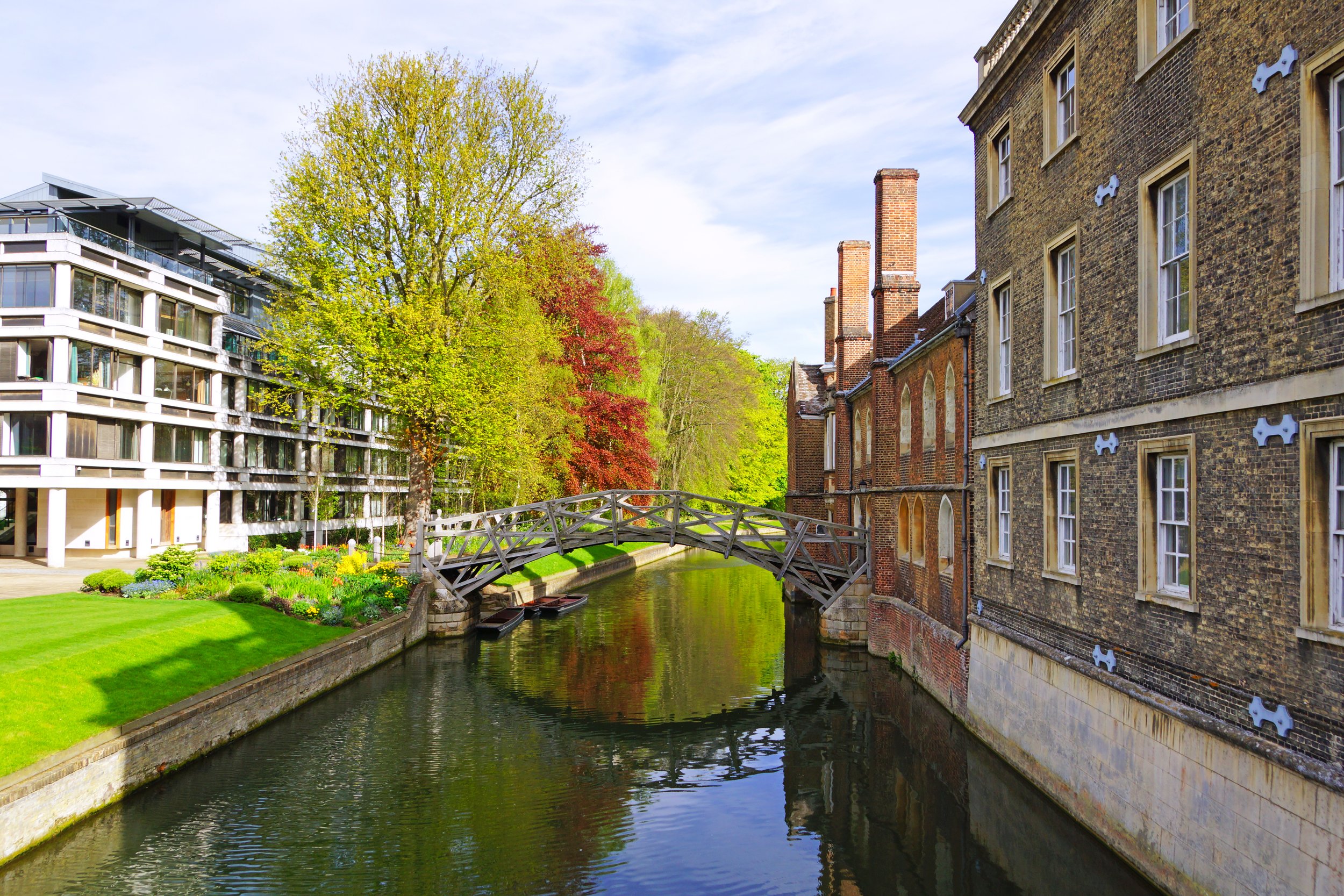
Queens’ College has appointed JGC to transform its decarbonisation strategy into a practical master plan. The master plan we developed segmented the leading college site into several distinct clusters, each presenting its own challenges and opportunities, to determine a robust, pragmatic, and achievable strategy to deliver the college’s transition from gas to renewable energy sources.
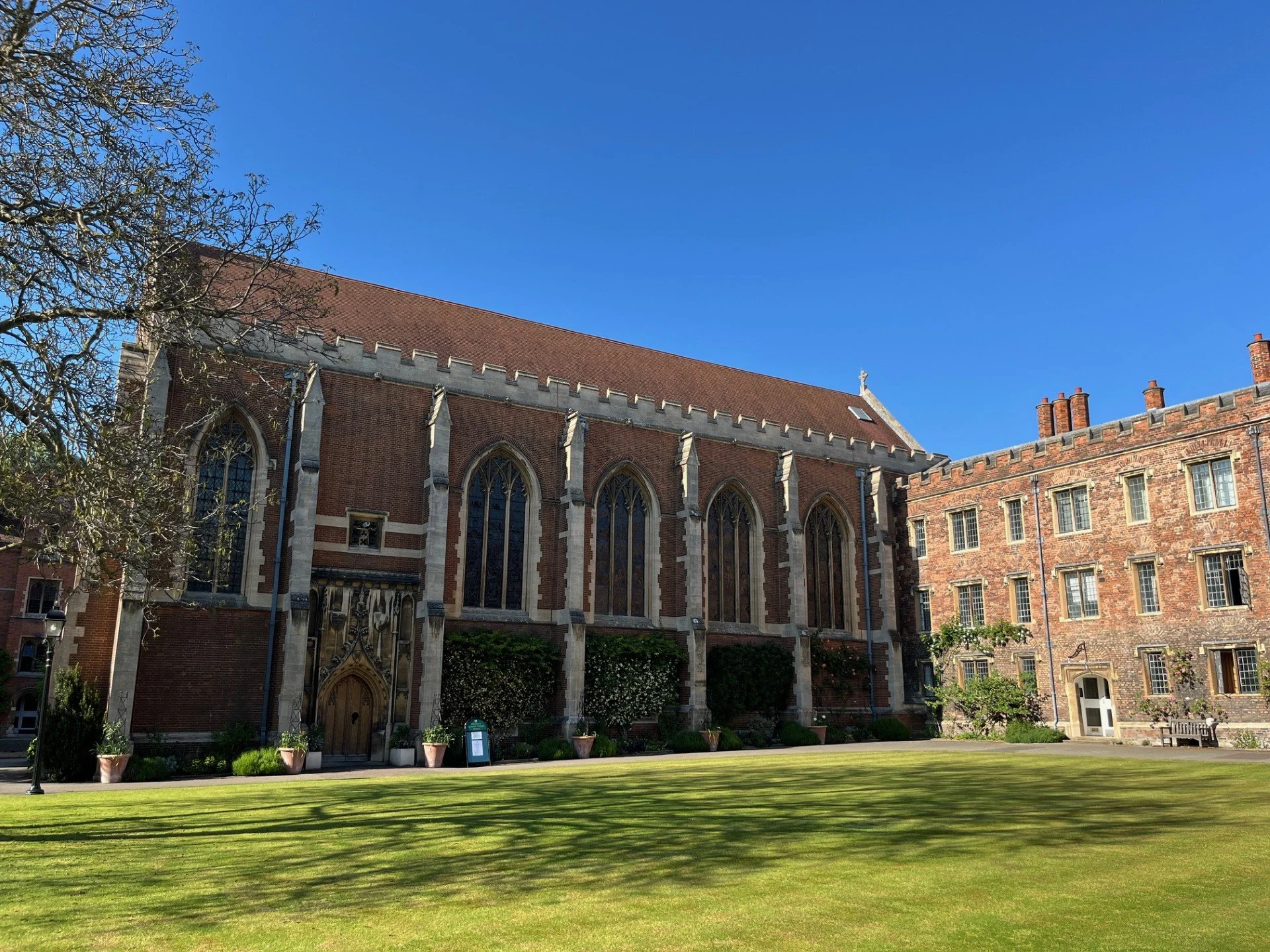
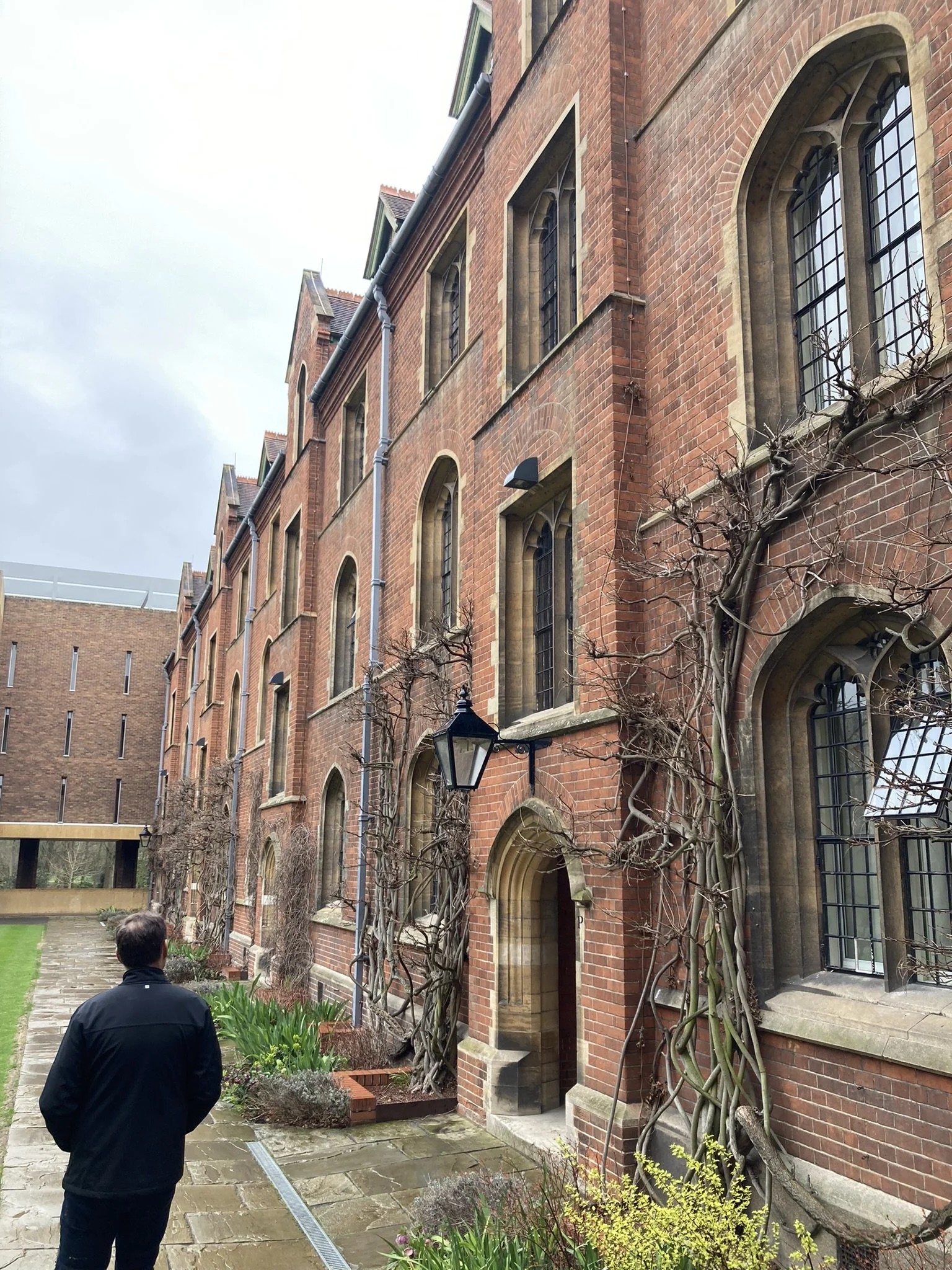
Our work comprised several key elements: a carbon baseline assessment, a fabric improvement study and an energy infrastructure review. The baseline assessment used historic energy use data and thermal modelling to determine and categorise the college's energy use and associated carbon emissions. From this, various fabric improvement measures were tested to provide a data-driven basis for the proposals. We also assessed the current energy and heating infrastructure, identifying which plant was at or near the end of its life and how it could be replaced over time with alternative low-carbon heat sources.
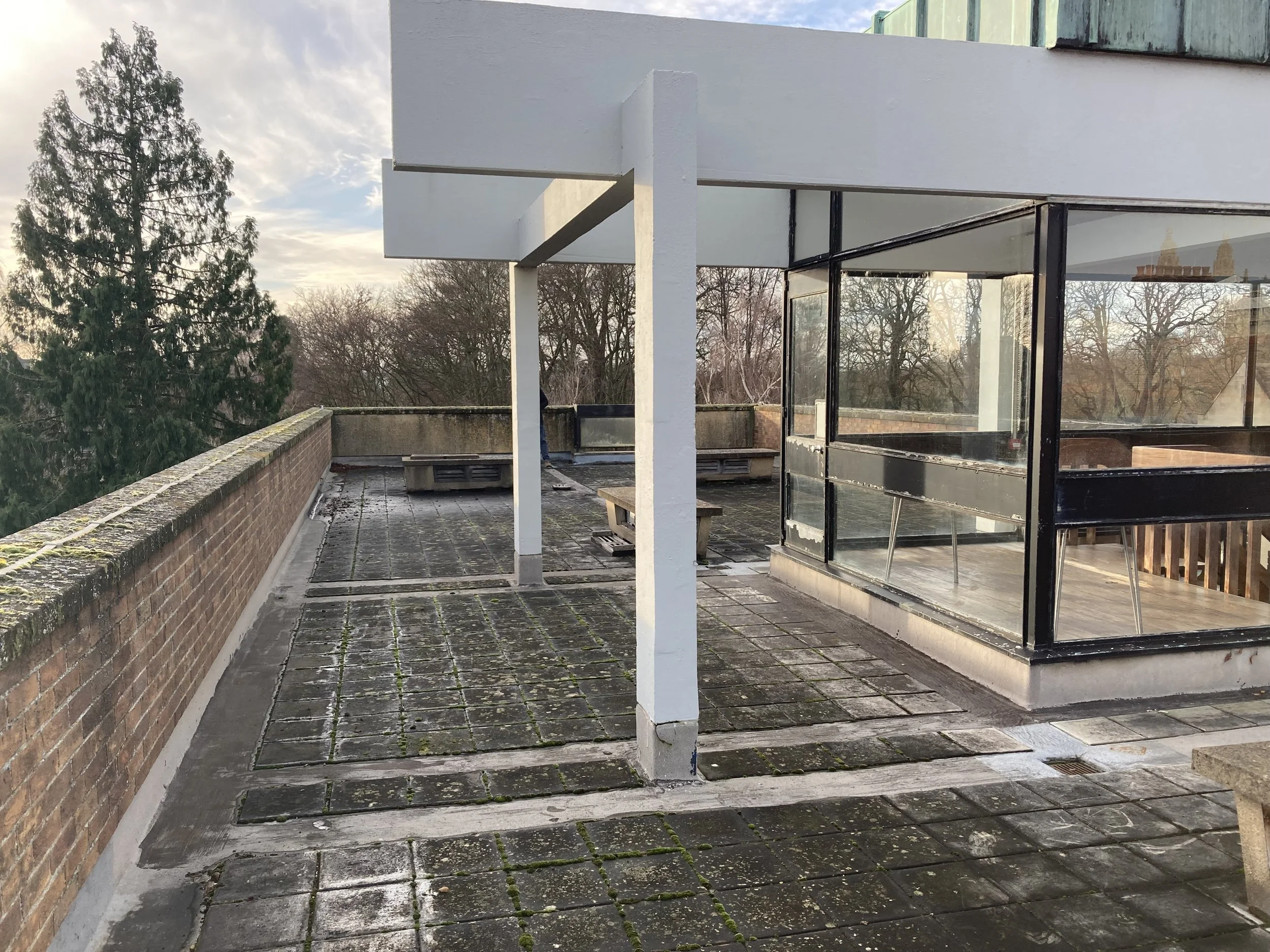
JGC has completed the Cluster A masterplan, a key aspect of which was the refurbishment of the Erasmus building, completed in April 2025. As part of our work on the Erasmus building, we obtained planning consent to use its roof for up to 400 kW of air exchange. This capacity exceeds the amount required for the Erasmus building itself, with the design intent that the additional spare capacity is utilised to deliver low-carbon heating to other buildings within Cluster A, many of which form the college’s historic core and have limited access to low-grade heat themselves.
The college intends to implement the cluster A master plan in 2026, and JGC has been instructed to proceed with the decarbonisation implementation strategy for the second cluster of buildings.