
Girton College Decarbonisation Masterplan
Sitewide energy masterplan to set out a roadmap for decarbonisation
Client: Girton College, Cambridge
Status: In Design Development
OVERVIEW
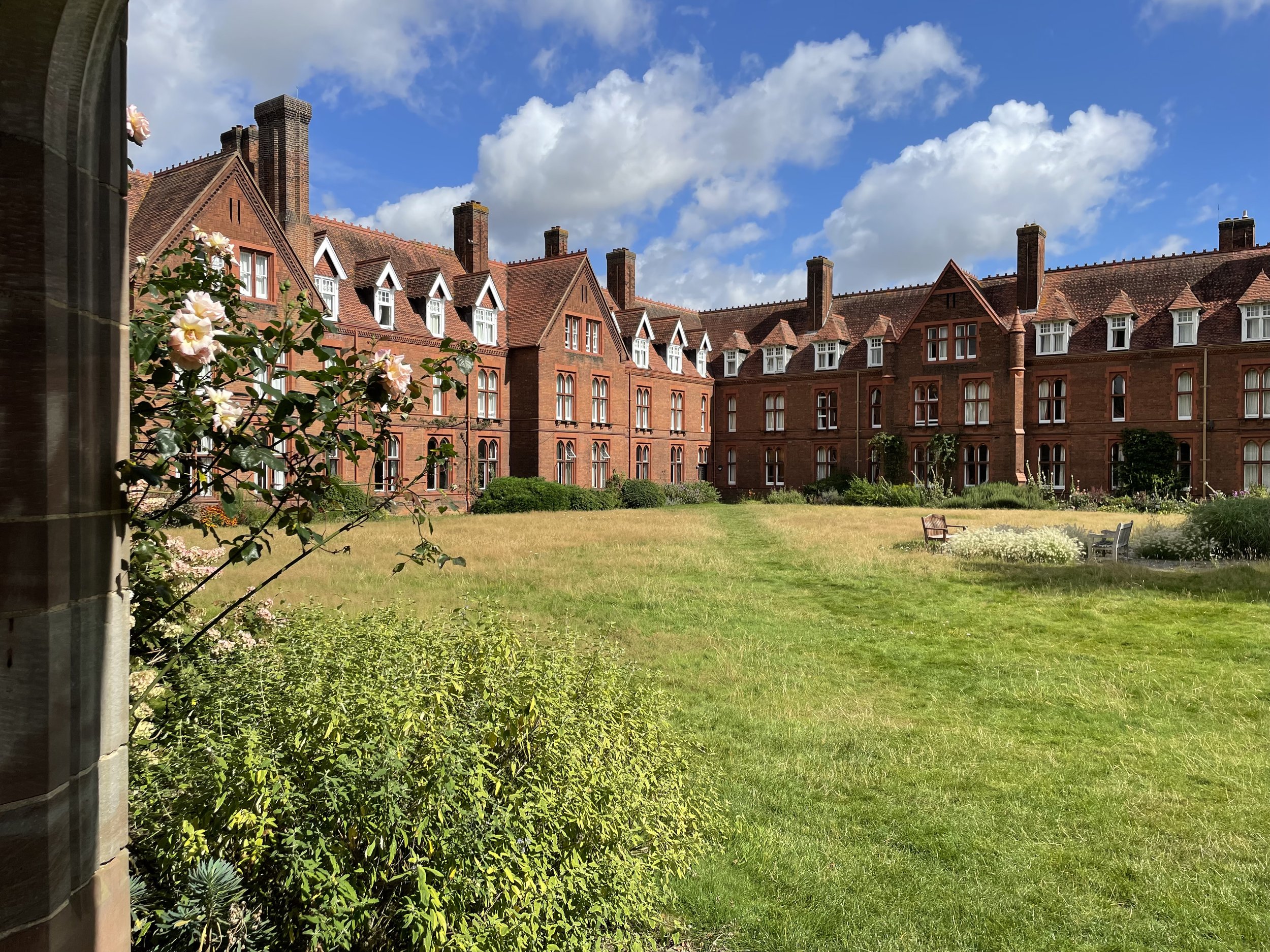
As part of JGC's ongoing work with Girton College, which aims to eliminate gas from the site and achieve net zero emissions by 2048, JGC and 5th Studio have developed the college's Decarbonisation Master Plan. The master plan assessed the college's primary site, existing buildings, and key infrastructure to develop a robust, pragmatic, and achievable plan for the college's transition from gas to renewable energy sources.
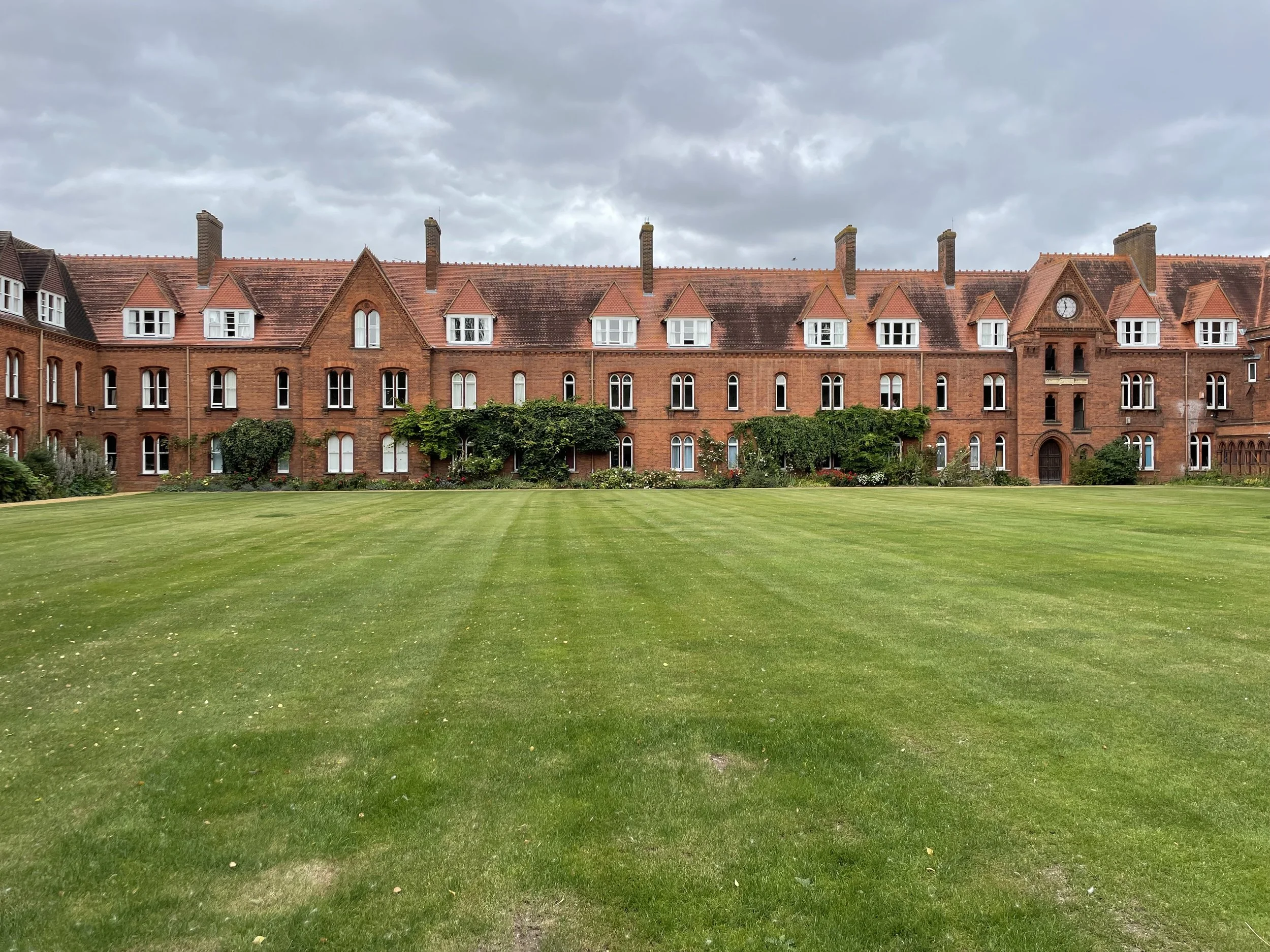
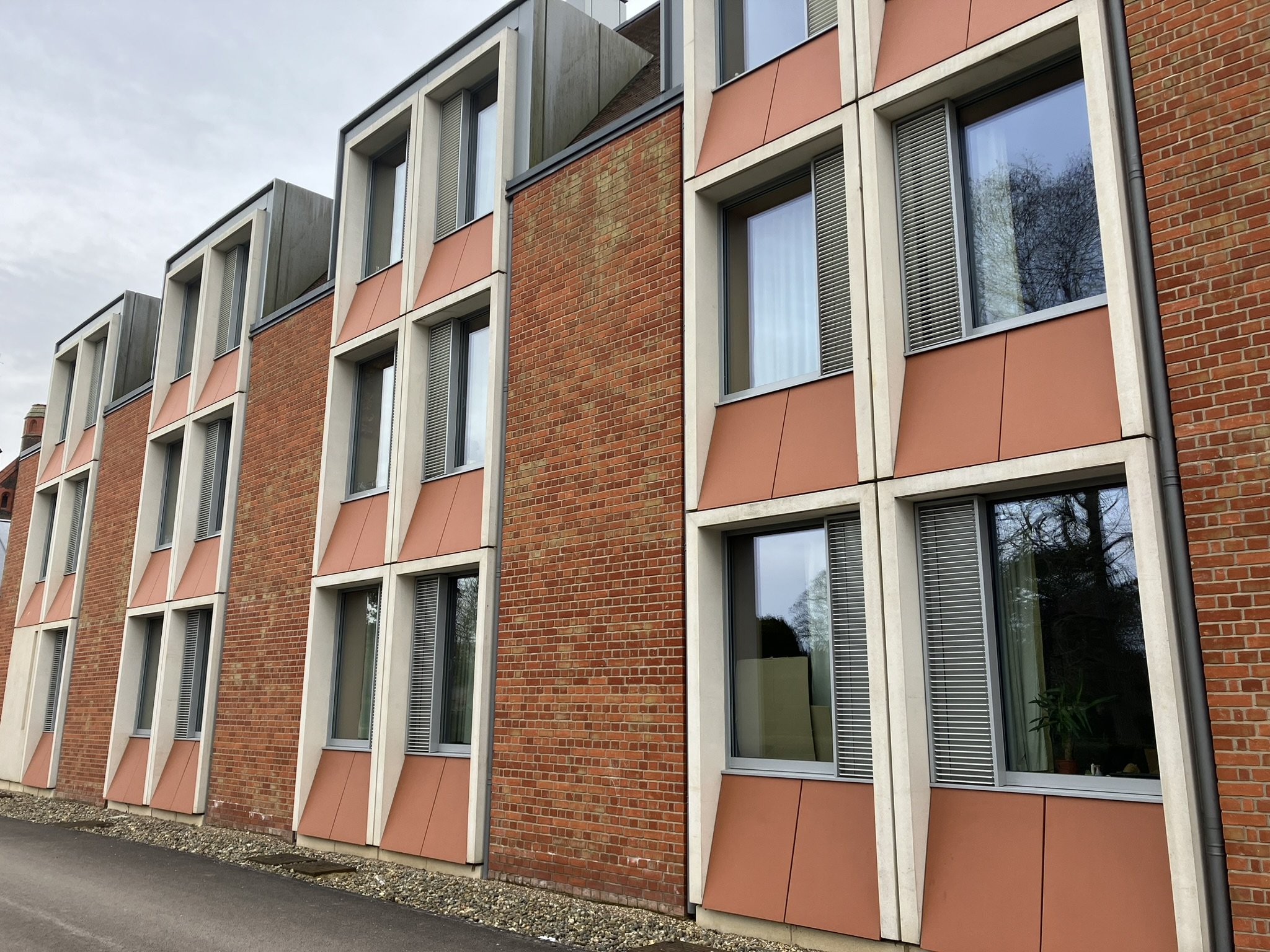
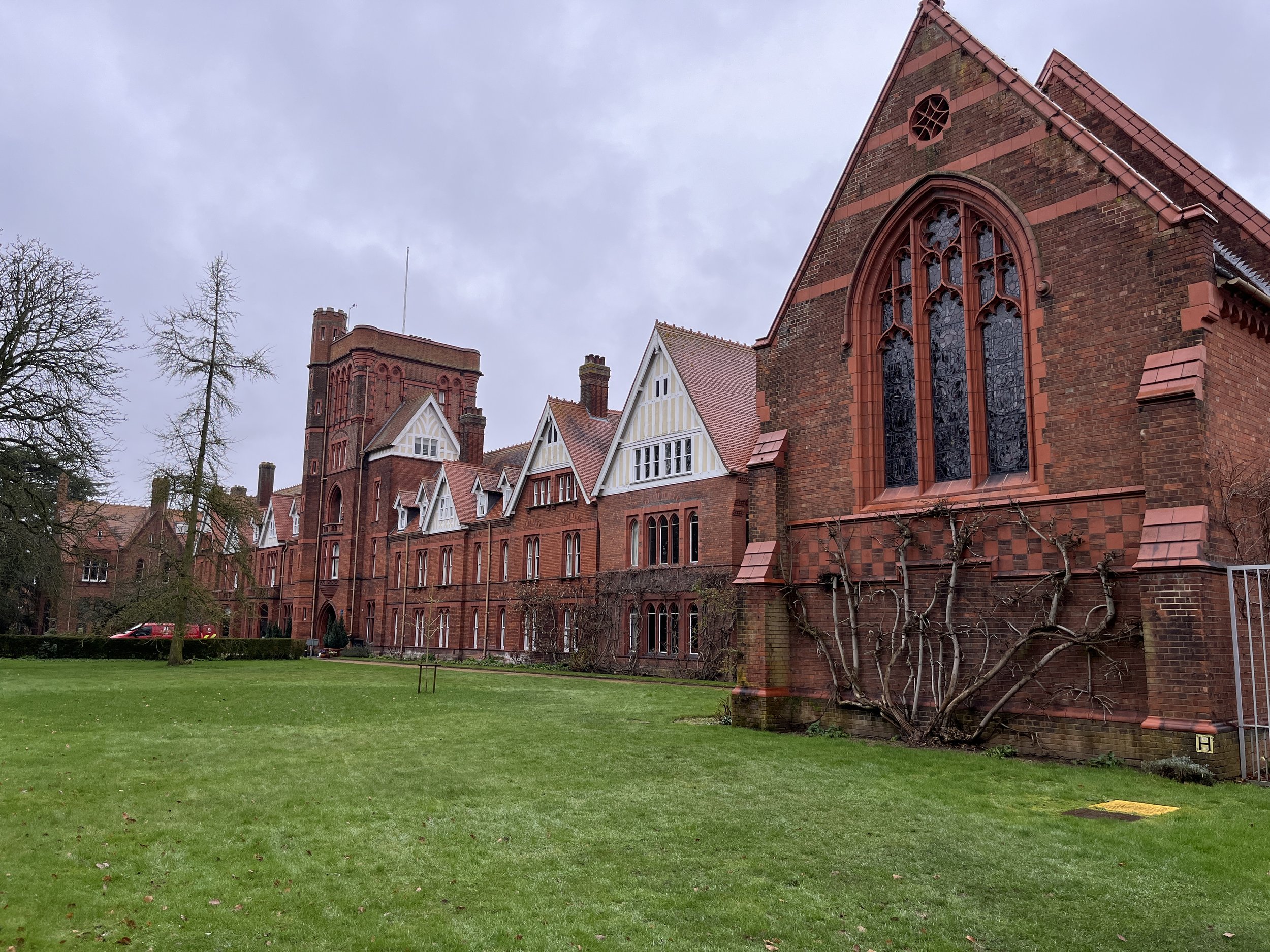
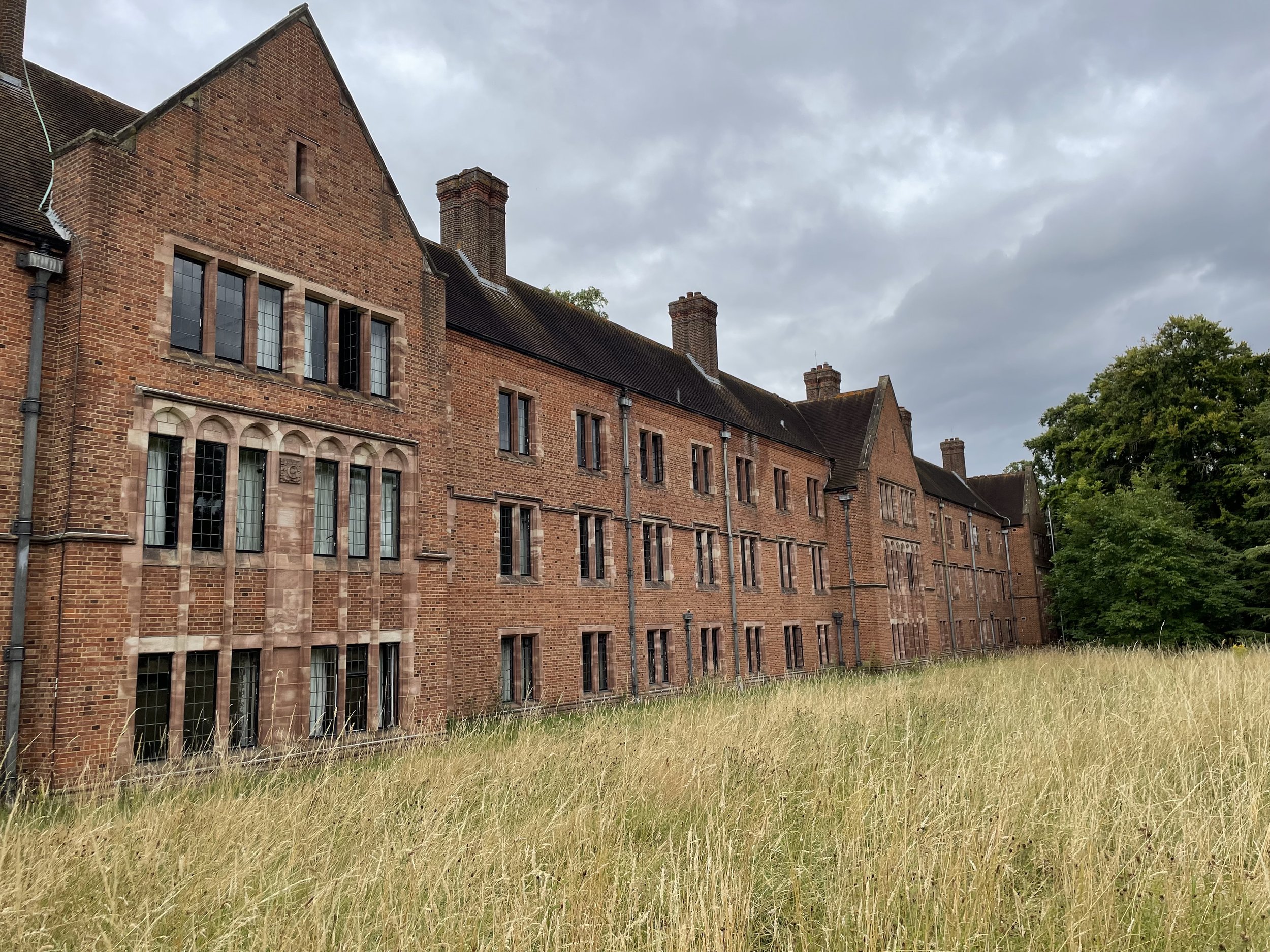
JGC assessed the college's overall energy potential by evaluating opportunities to install solar PV and other on-site generation. Our work comprised several key elements: a carbon baseline study, fabric improvement measures and opportunities for energy infrastructure upgrades. The baseline assessment used historic energy use data and thermal modelling to determine and categorise the college's energy use and associated carbon emissions. From this, and in close collaboration with 5th Studio, various fabric improvement measures were tested to provide a data-driven approach to the proposals. These were then developed into refurbishment strategies that aligned with the college's ongoing maintenance and refurbishment programme. We assessed the current energy and heating infrastructure, identified which plant was at or near the end of its life, and explored how it could be replaced with heat pump technology as part of a phased delivery programme.
Through JGC’s work on the college's new courts project, we identified a key opportunity to link both workstreams, new and old elements of the college, through a single energy centre. The centralised energy centre would be developed to deliver heating and hot water to the entire Girton College, freeing up valuable space within the new courts project for additional academic or social accommodation, rapidly servicing failing plant in the leading college and providing renewable technology without detracting from the historic character of the buildings and their setting. This approach has been welcomed by local heritage and planning and will be delivered in the coming years.