
Chilton Woods Heat Network
CFD modelling of air source heat pumps supplying a centralised heat network
Client: Metropolitan UK
Status: Completed
OVERVIEW
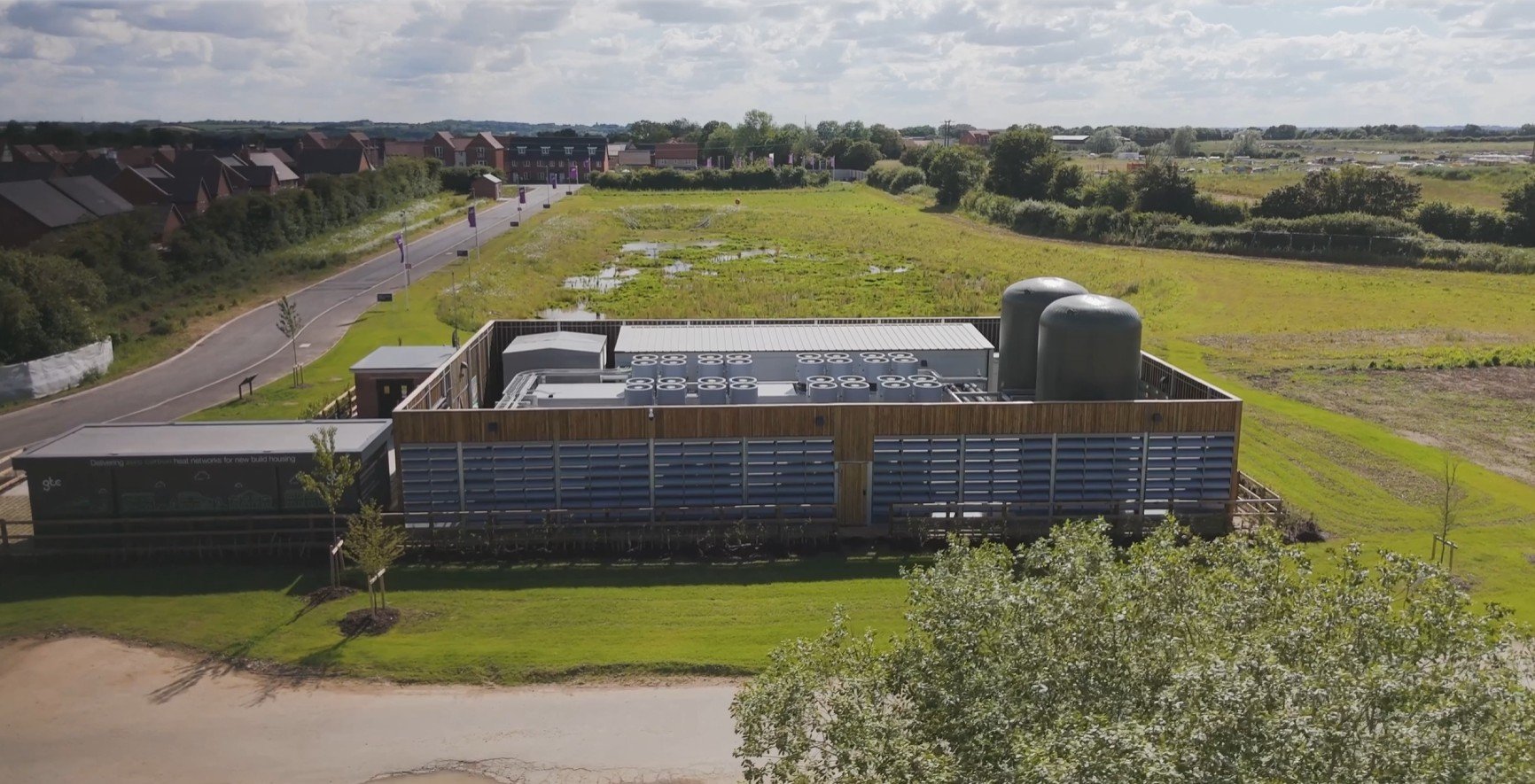
Chilton Woods is a newly built residential greenfield development in Suffolk, delivered by Taylor Wimpey. As part of the project’s commitment to reducing its environmental impact, an innovative 60°C district heating (DH) network, supplied by air source heat pumps (ASHP), was implemented to provide sustainable heating for the development. JGC’s CFD modelling expertise has contributed to the successful integration of a low-carbon, efficient heating system that aligns with the development’s environmental and community goals, while also addressing key concerns such as noise, visual amenity, and cold plume management.
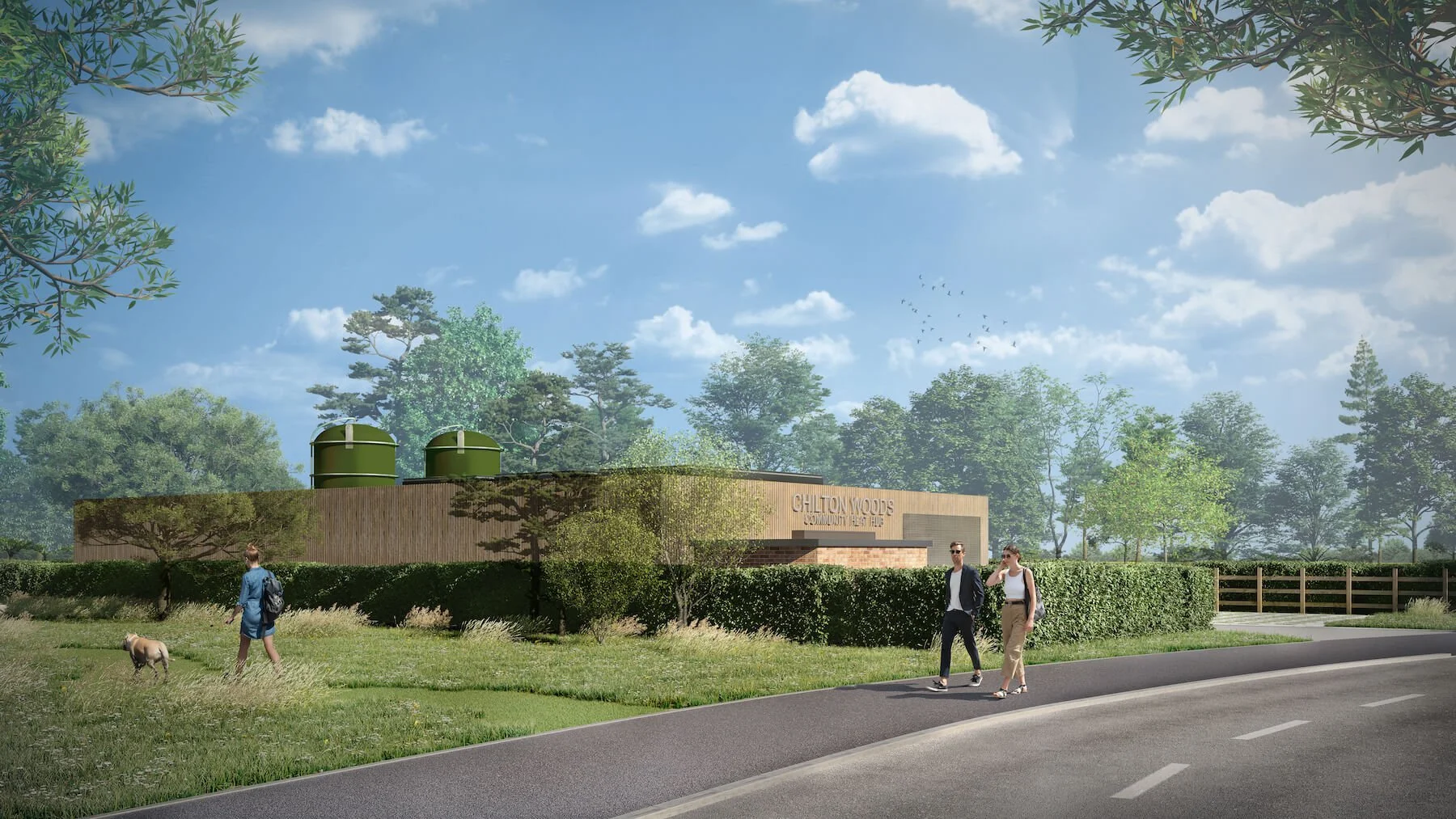
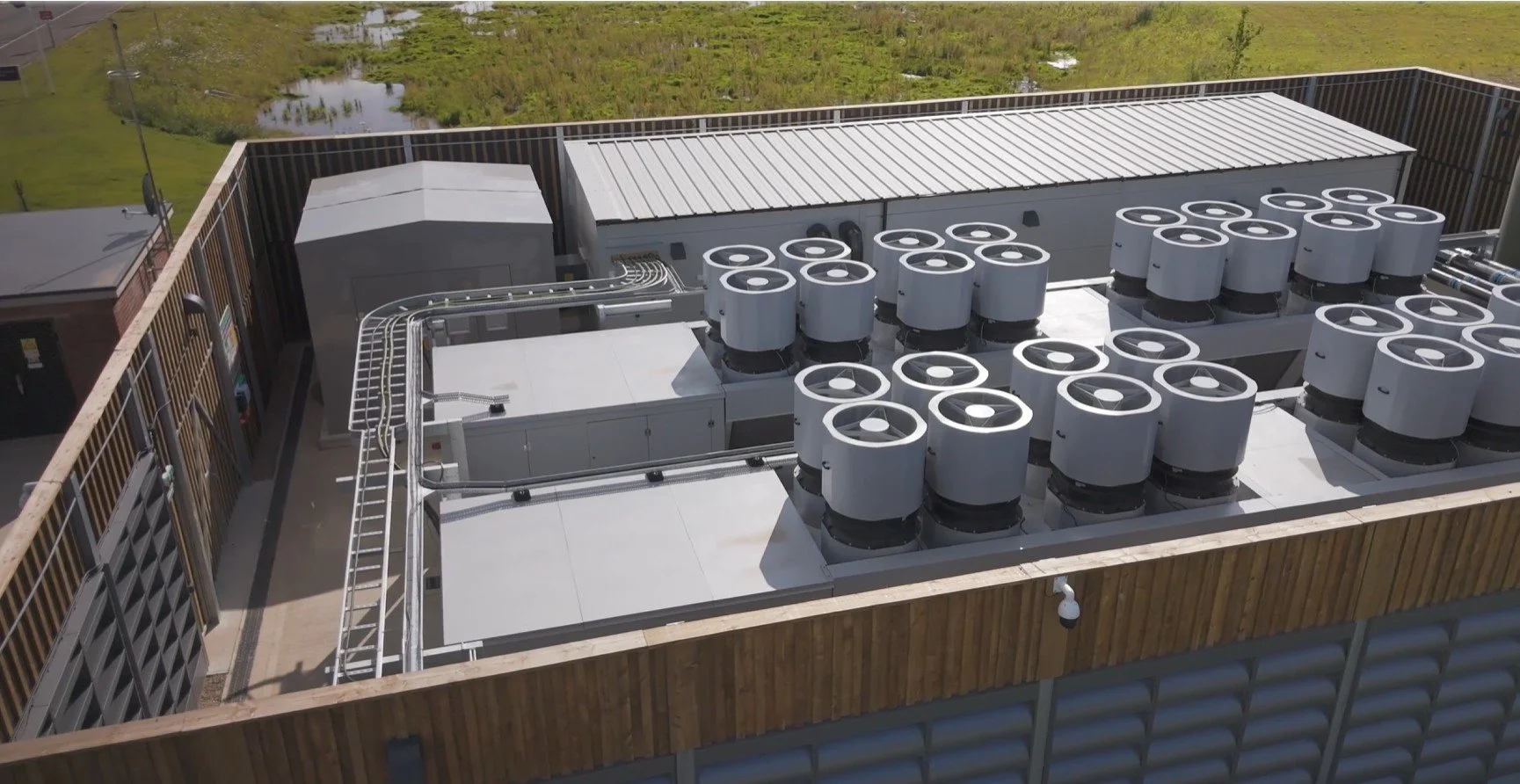
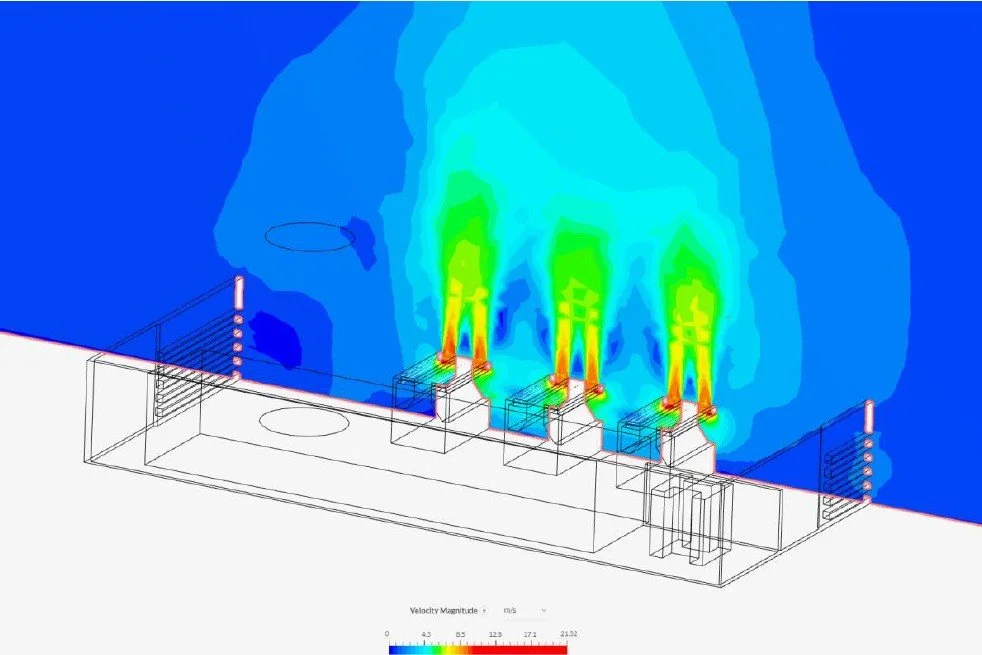
JGC was commissioned by Metropolitan to undertake Computational Fluid Dynamics (CFD) modelling to support the integration of the ASHP system within the community. Working closely with the acoustician and landscape architect, our goal was to find a solution for accommodating the Community Heat Hub, a central feature of the DH network, in a way that would manage potential noise nuisance, meet visual amenity requirements, and ensure the effective dispersion of cold air to mitigate cold plume risks.
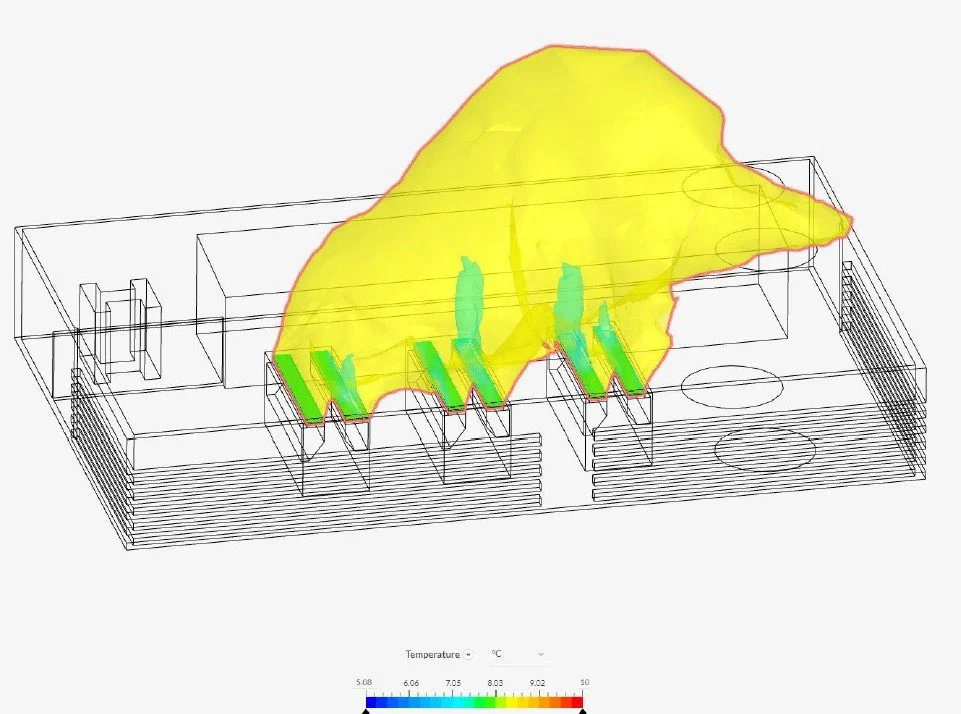
Our CFD modelling assessed the airflow and thermal distribution around the heat pumps and the surrounding environment. By simulating the ASHP system's effects, we identified potential issues related to noise, visual impact, and the management of cold air plumes. JGC provided recommendations on how to position and design the Community Heat Hub to resolve any adverse effects while ensuring optimal performance of the ASHP network.
In collaboration with the acoustician, we ensured that noise levels from the heat pumps would be kept within the development’s stringent noise mitigation standards. Our work also helped the landscape architect design a visually appealing solution that met the technical requirements and ensured the heat hub was well integrated into the surrounding landscape. Additionally, the CFD modelling ensured that the cold air produced by the ASHP system could disperse effectively, preventing negative impacts on nearby areas and residents and maximising the system's efficiency.