
Burrell's Field V Block
Heat pump retrofit to re-supply multi-occupancy student accommodation
Client: Trinity College
Status: Completed
OVERVIEW
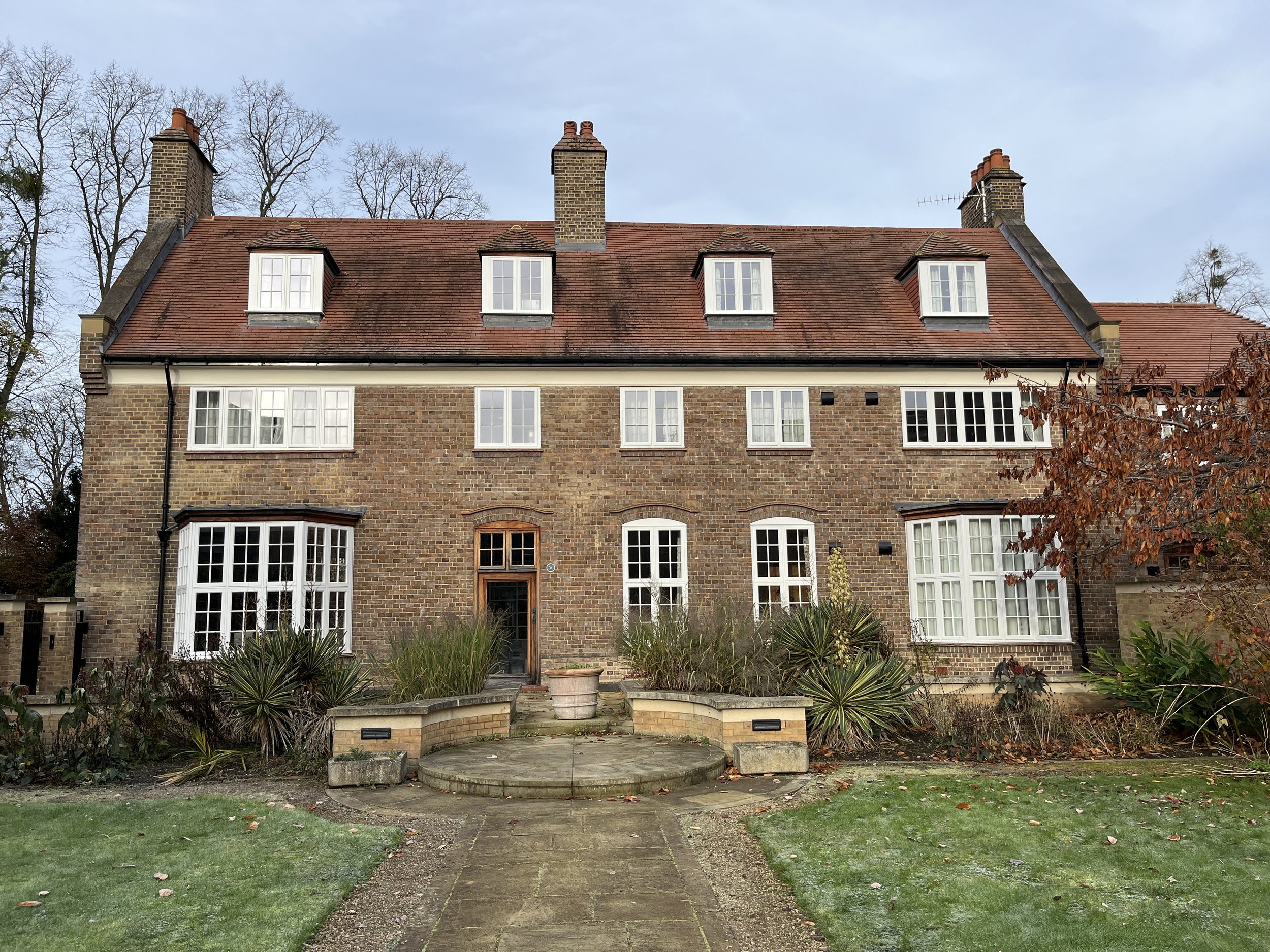
Burrell’s Field V Block is a multi-occupancy student accommodation building owned by Trinity College, Cambridge. The property contains a mixture of bedrooms, shared facilities, and social spaces for residents and college members. JGC was appointed to review the existing heating and hot water infrastructure to inform a design strategy for their resupply from a new low-carbon heat source.
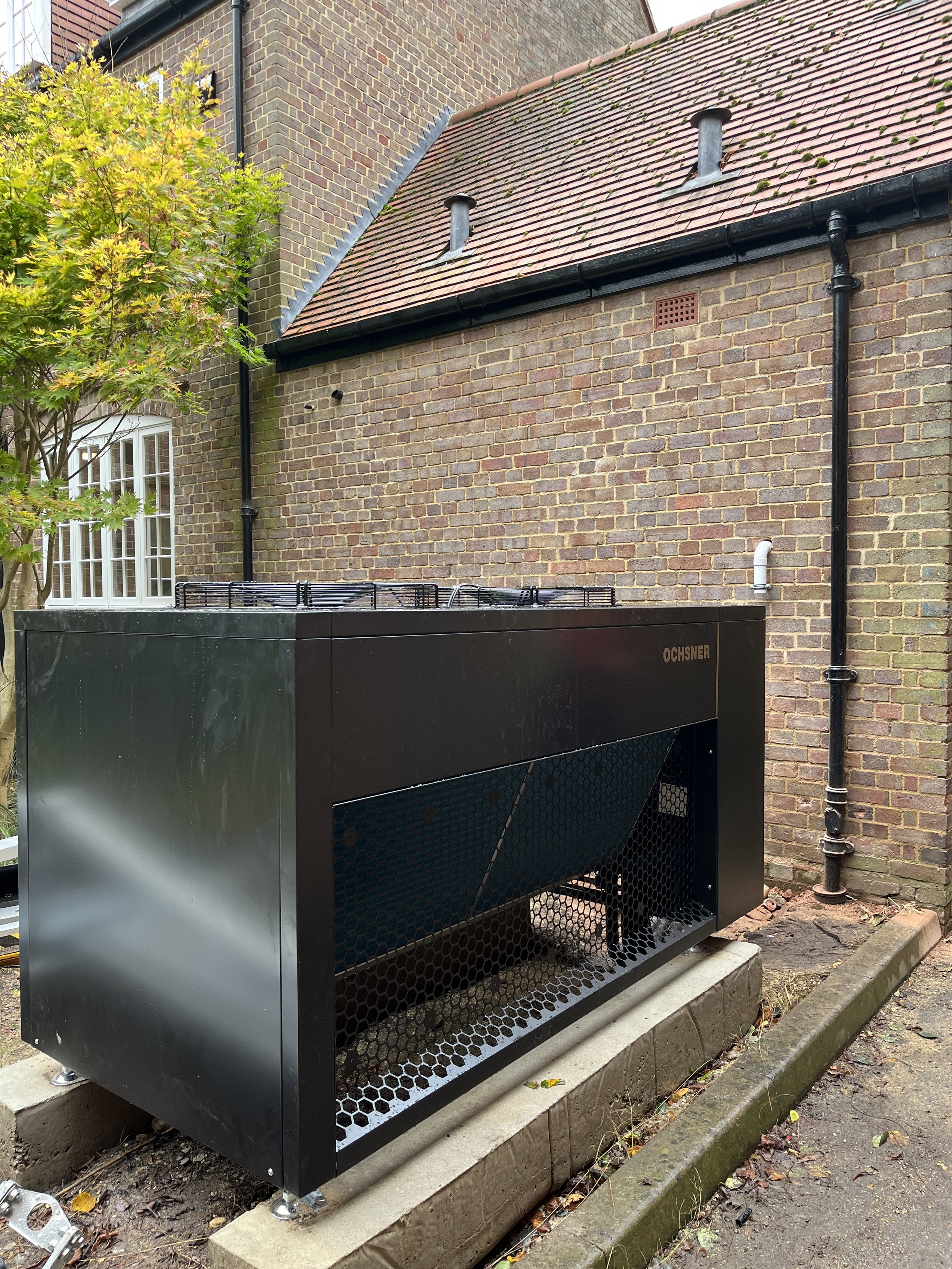
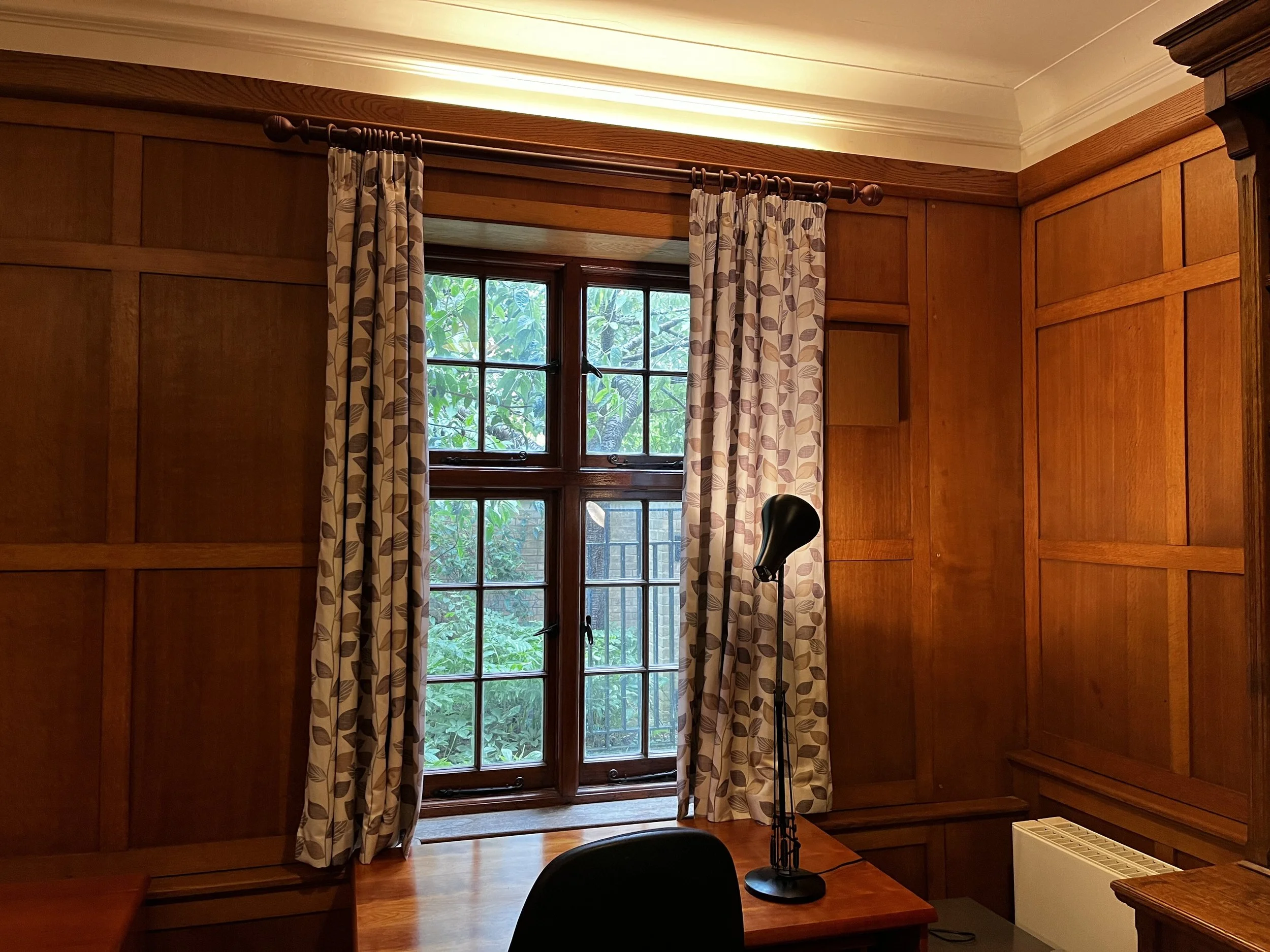
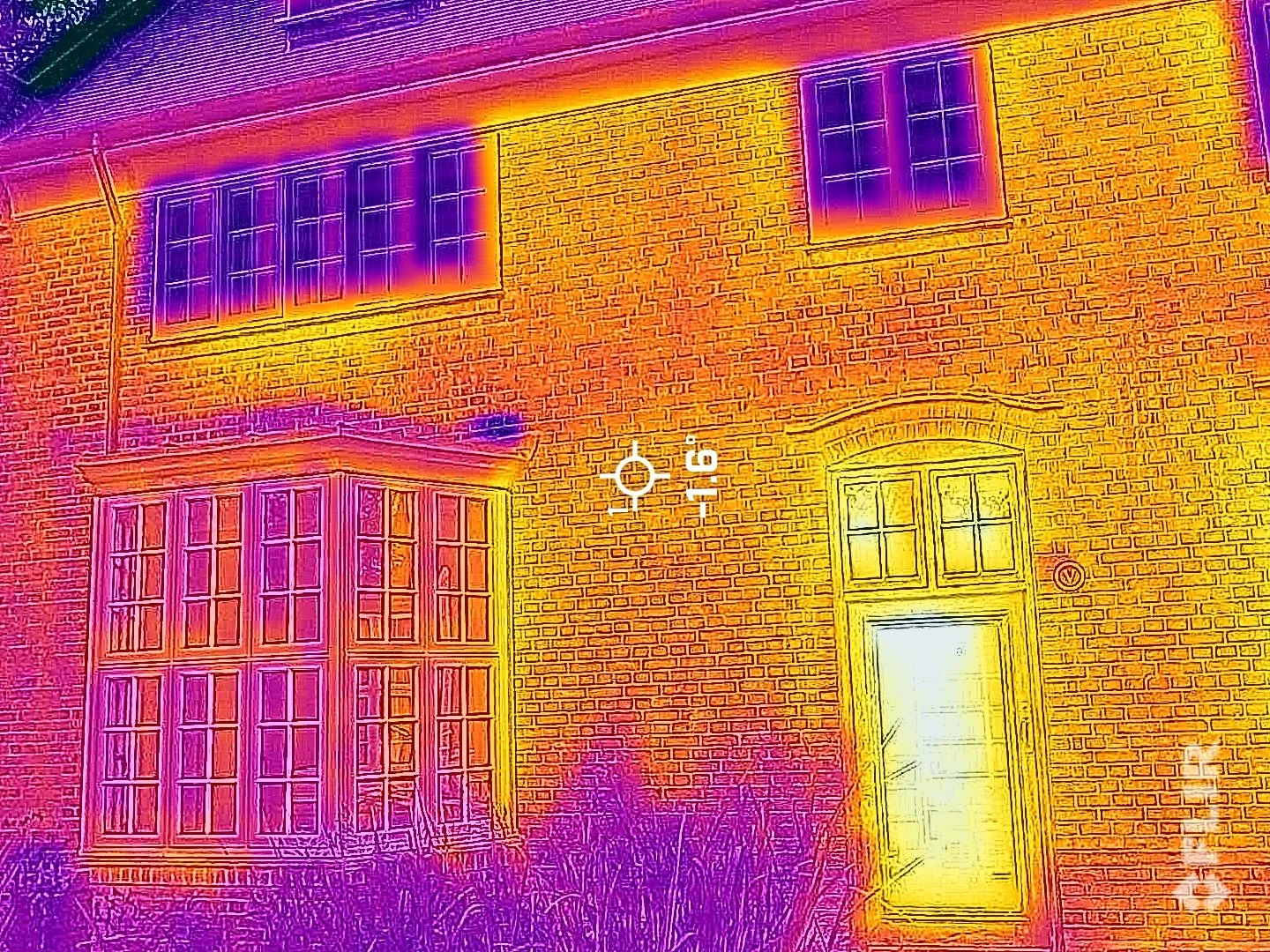
Elements of the building fabric had been refurbished recently as part of a separate maintenance project undertaken independently by Trinity College. The college was keen to limit the scope of the retrofit works and minimise disruption to areas of the building outside of the plantroom and storage areas. Through the calculation of room heat loss and targeted intervention works, JGC developed a strategy to minimise disruption within occupied rooms and to retain most of the existing heating pipework and emitters already installed.
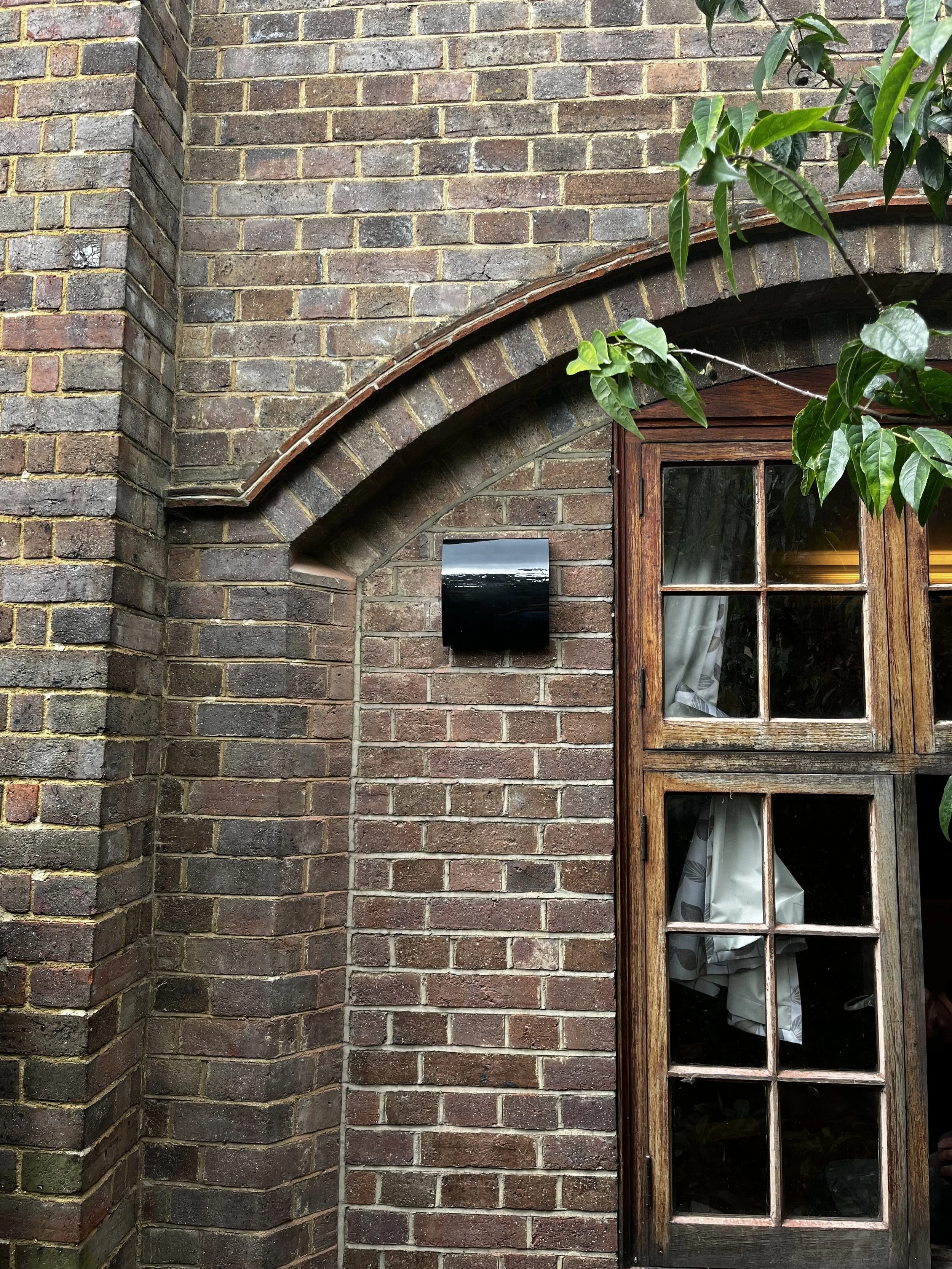
Through-wall mechanical ventilation with heat recovery was installed to enhance ventilation and air quality in bedrooms and living spaces while minimising installation disruption and mitigating heat losses associated with elevated airflow rates. The existing radiators were assessed to determine their suitability for heating the building under the lower temperatures provided by a replacement heat pump system.
An extra-low-noise air source heat pump unit was selected to re-provide heating and hot water while minimising acoustic disturbance to building occupants. All elements of the primary heating and hot water systems within the building plantroom were upgraded and replaced. A small electric boiler was installed as a backup heat source to meet demand during future heat pump maintenance. Upon completion of the project, the building's gas meter was removed to meet the client’s requirement to eliminate on-site fossil fuel use for space heating and hot water.
Through the minimal intervention approach adopted for the building retrofit, the installation team completed all works within a short timeframe as part of a managed building refurbishment and decant strategy set by the college. The project was completed and handed over to the client for reoccupation in autumn 2024.