
Storey’s Way, Cambridge
MEP Design for Private Dwelling Retrofit
Client: Private Client
Status: Completed
OVERVIEW
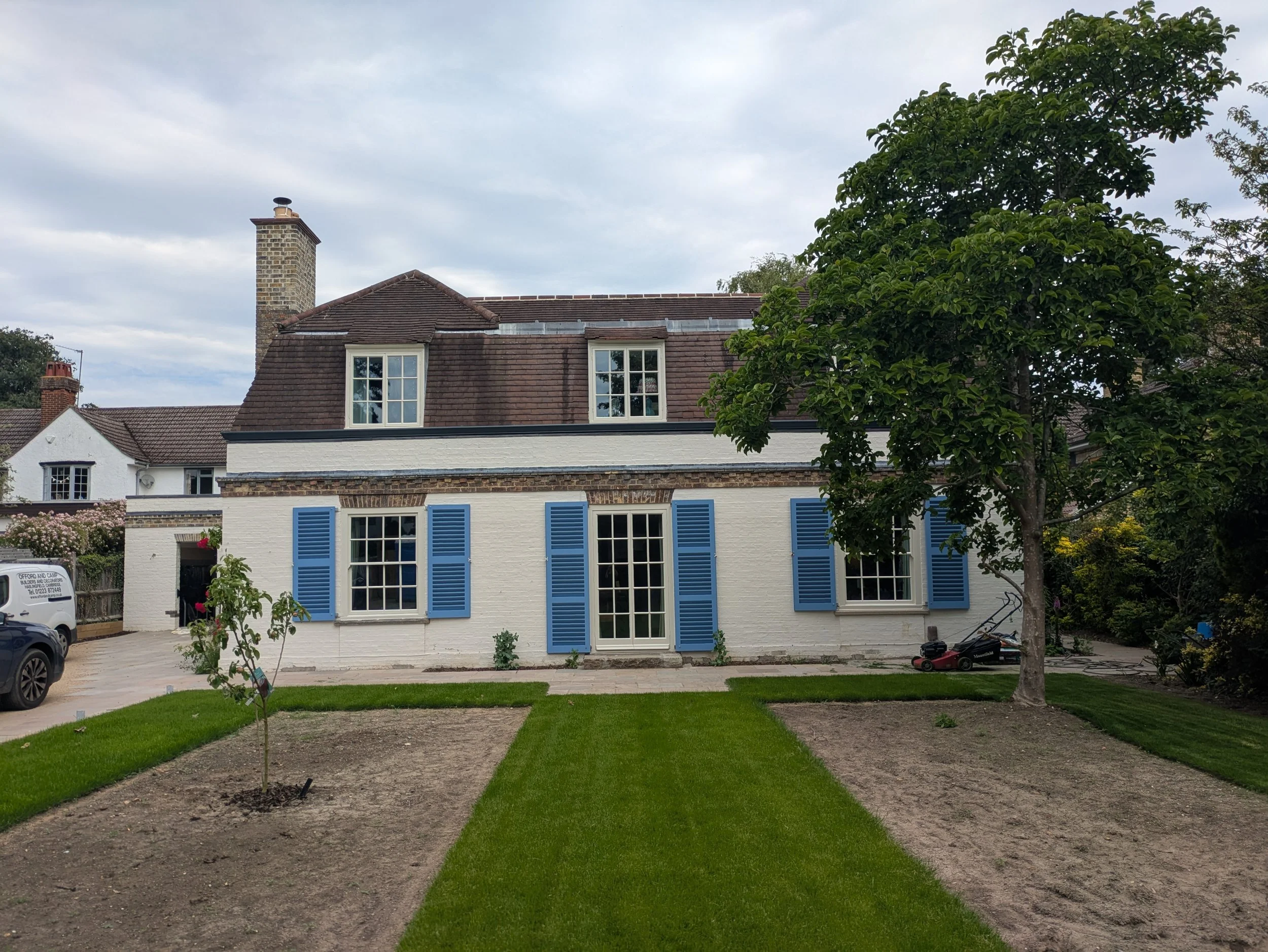
JGC were appointed to undertake an energy assessment and options appraisal ahead of the refurbishment of a private detached dwelling in Cambridge. Our work fed into a wider refurbishment and internal rebuild of the property by Liz King Architects. The period property presented several challenges for improving its fabric and implementing a modern servicing strategy, but the client was keen to incorporate low-energy and sustainability principles as far as possible within the project constraints. JGC worked closely with the architect to develop an appropriate internal servicing strategy for the project, incorporating air source heat pumps and centralised mechanical ventilation with heat recovery.
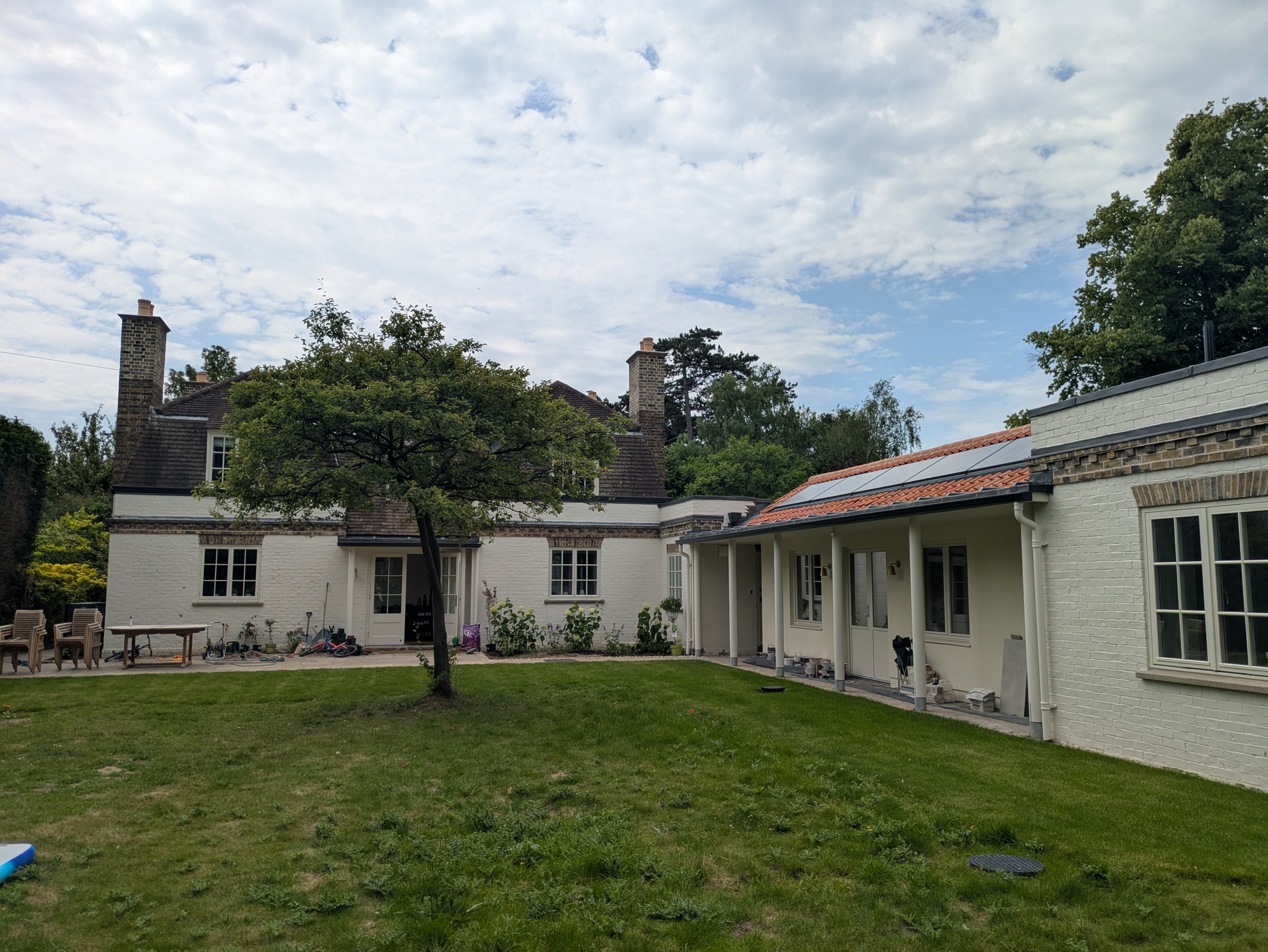
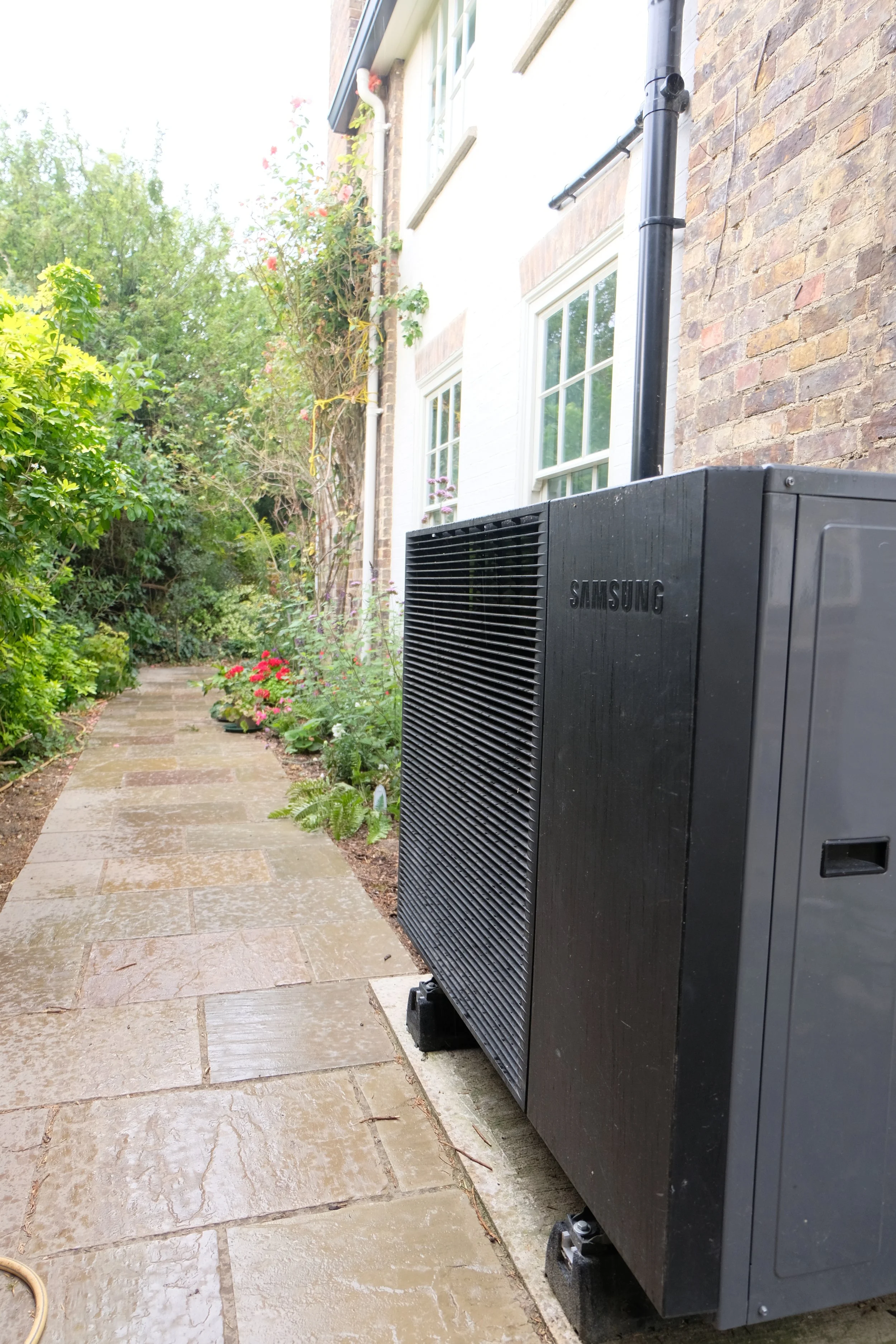
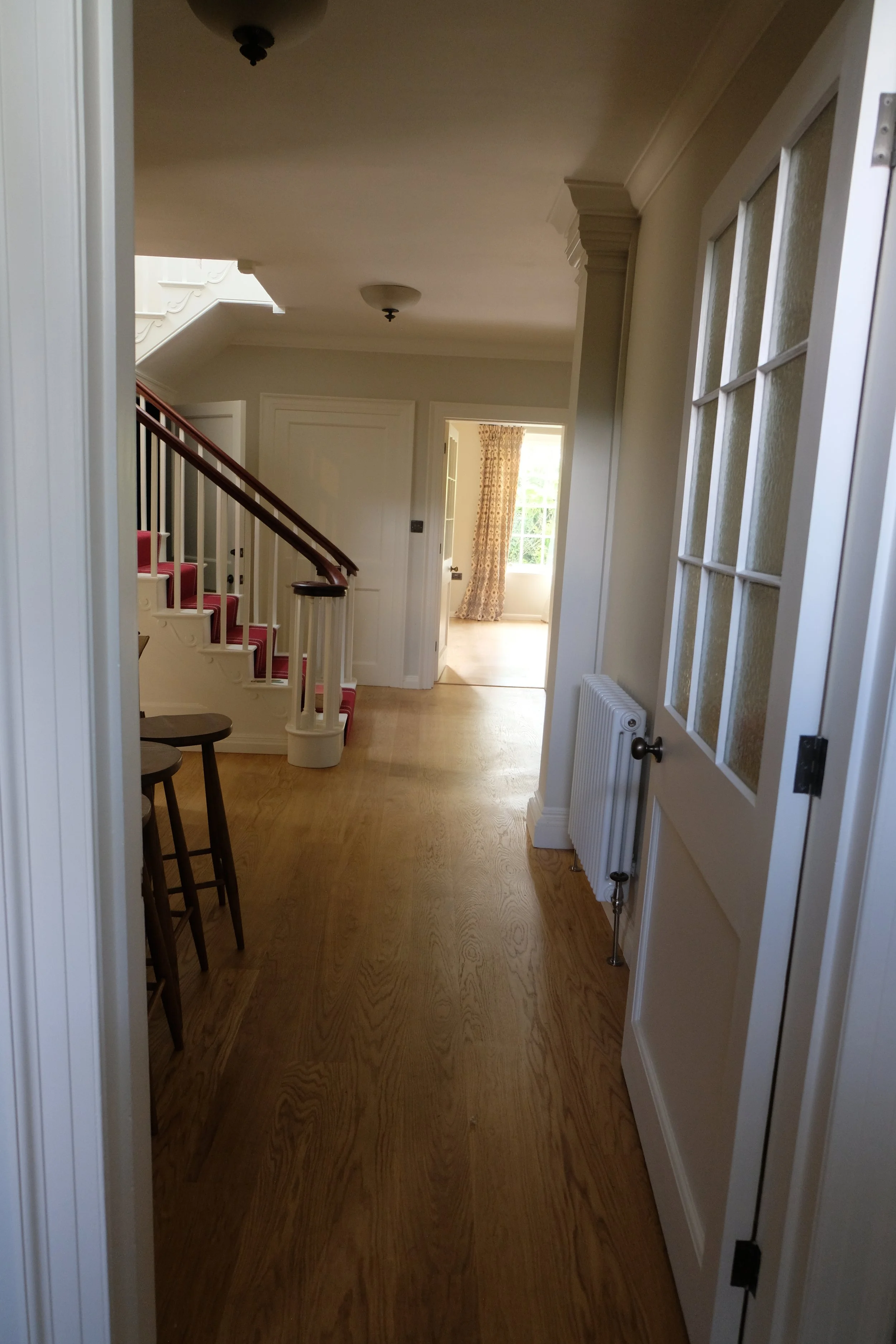
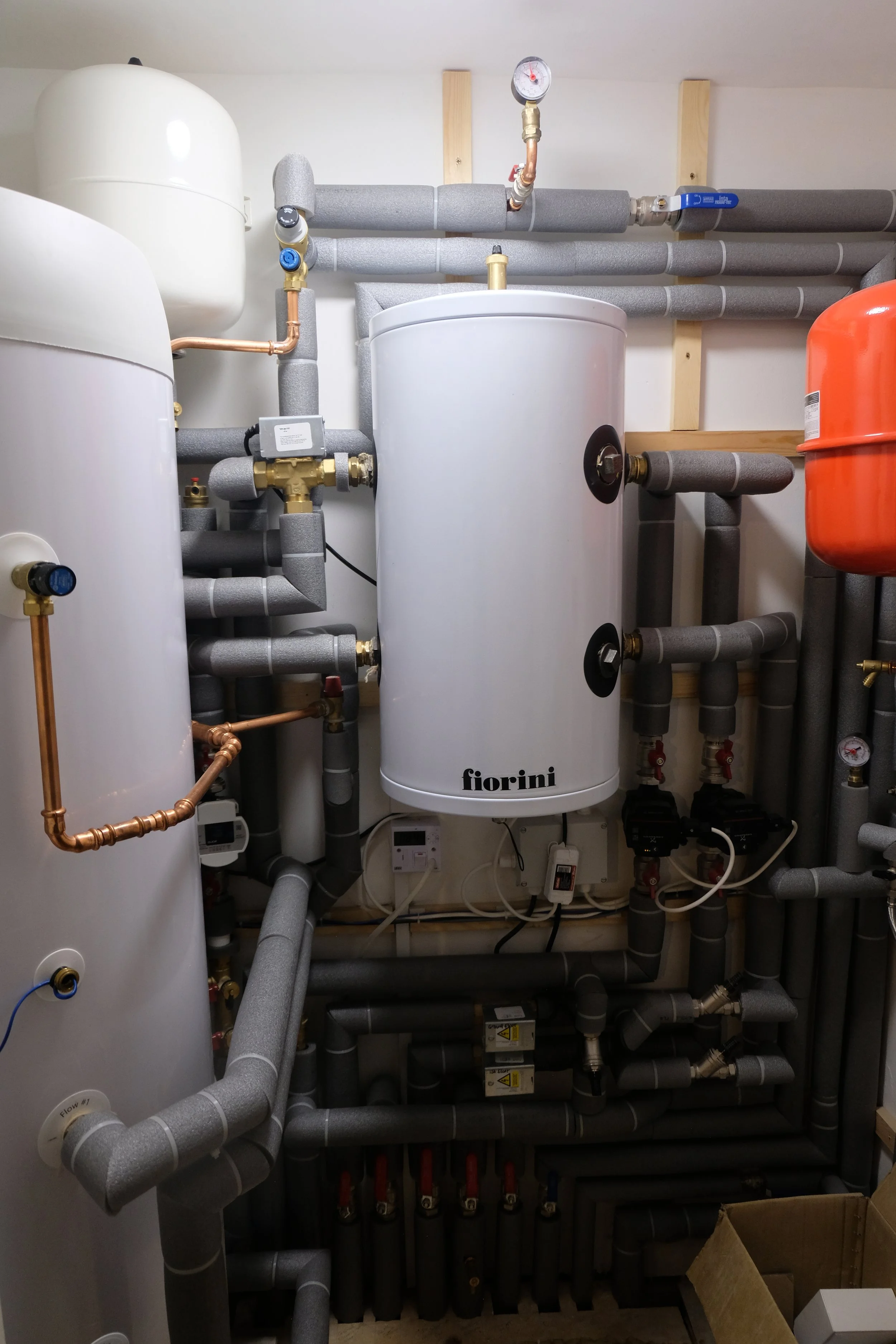
The works consisted of refurbishing a detached period property and creating a new-build self-contained annexe in the rear garden. Separate servicing strategies were adopted for each element, commensurate with its requirements and constraints. For the refurbishment of the main building, an air source heat pump system was provided to serve a new central heating and hot water system. The architect incorporated targeted fabric upgrades to reduce the building's peak and annual heat load, enabling the heat pump to run more efficiently. A separate air-to-air heat pump system was provided for the annexe to better suit the building's usage profile.
A centralised mechanical ventilation with heat recovery (MVHR) system was provided to serve the main house. For the annexe and for areas of the main house which couldn’t be served by the central system, in-wall MVHR systems were installed to improve air quality and limit ventilation heat losses. A photovoltaic (PV) generation system was installed on the annexe roof, with battery storage to increase utilisation year-round.
JGC produced the employer’s requirements to assist the client and the architect in identifying suitable installers for the heat pump, MVHR, and PV systems. Construction was completed in 2025, with the project being shortlisted for the 2026 Greater Cambridge Design and Construction Awards Best Conservation, Alteration, or Extension of an Existing Building under £3M award.