
Clapham Park Heat Network
CFD modelling of air source heat pumps supplying a centralised heat network
Client: Pinnacle Power Limited
Status: Completed
OVERVIEW
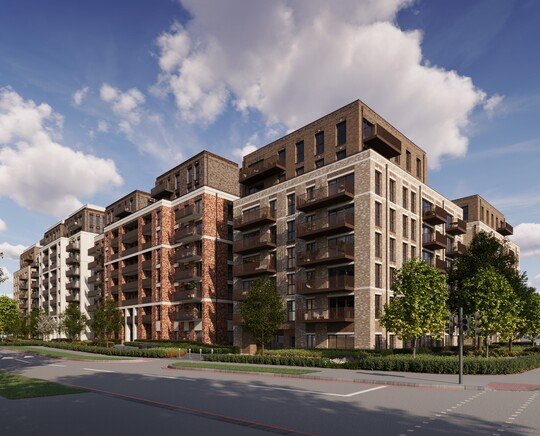
JGC conducted Computational Fluid Dynamics (CFD) modelling on behalf of Hemiko (formerly Pinnacle Power) for an innovative new air source heat pump development at Clapham Park in London. This project is a key part of Hemiko’s broader ambitions to deliver sustainable, resilient, low-carbon heating infrastructure across the UK. By combining advanced CFD modelling with practical design advice, JGC’s work contributed to a more robust and efficient design for the Clapham Park heat network, helping to deliver a key milestone in the community's journey towards a low-carbon future.
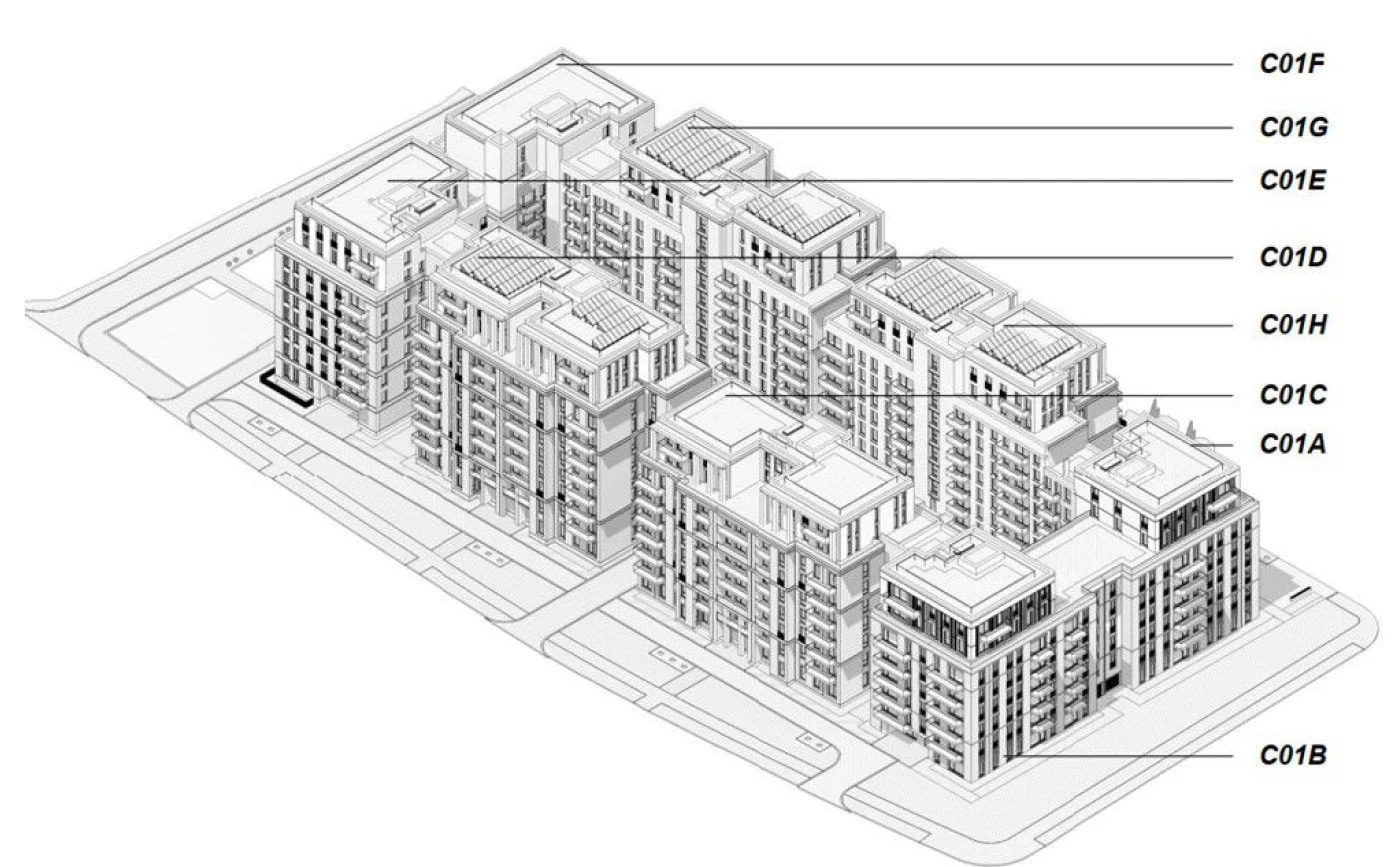
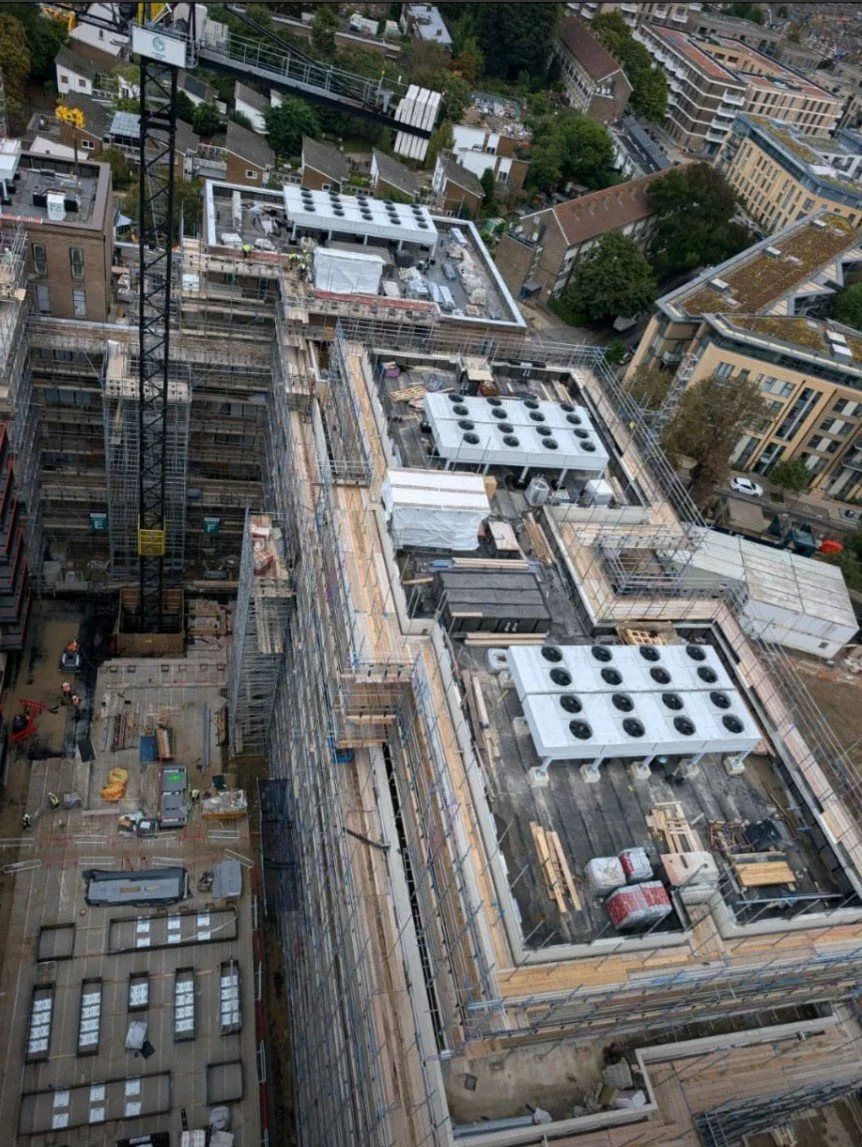
The Clapham Park scheme consolidates and improves existing, fragmented heat networks into a single, decarbonised district heating system. A large air source heat pump (ASHP) array will supply this new network with a total heating capacity of approximately 4 MW. The system provides low-carbon heating to around 570 retrofitted existing homes. In addition to the initial phase, the network is designed for future expansion, with plans to extend services to a further 3,300 new-build homes and over 15 commercial buildings as part of the broader regeneration of the Clapham Park area.
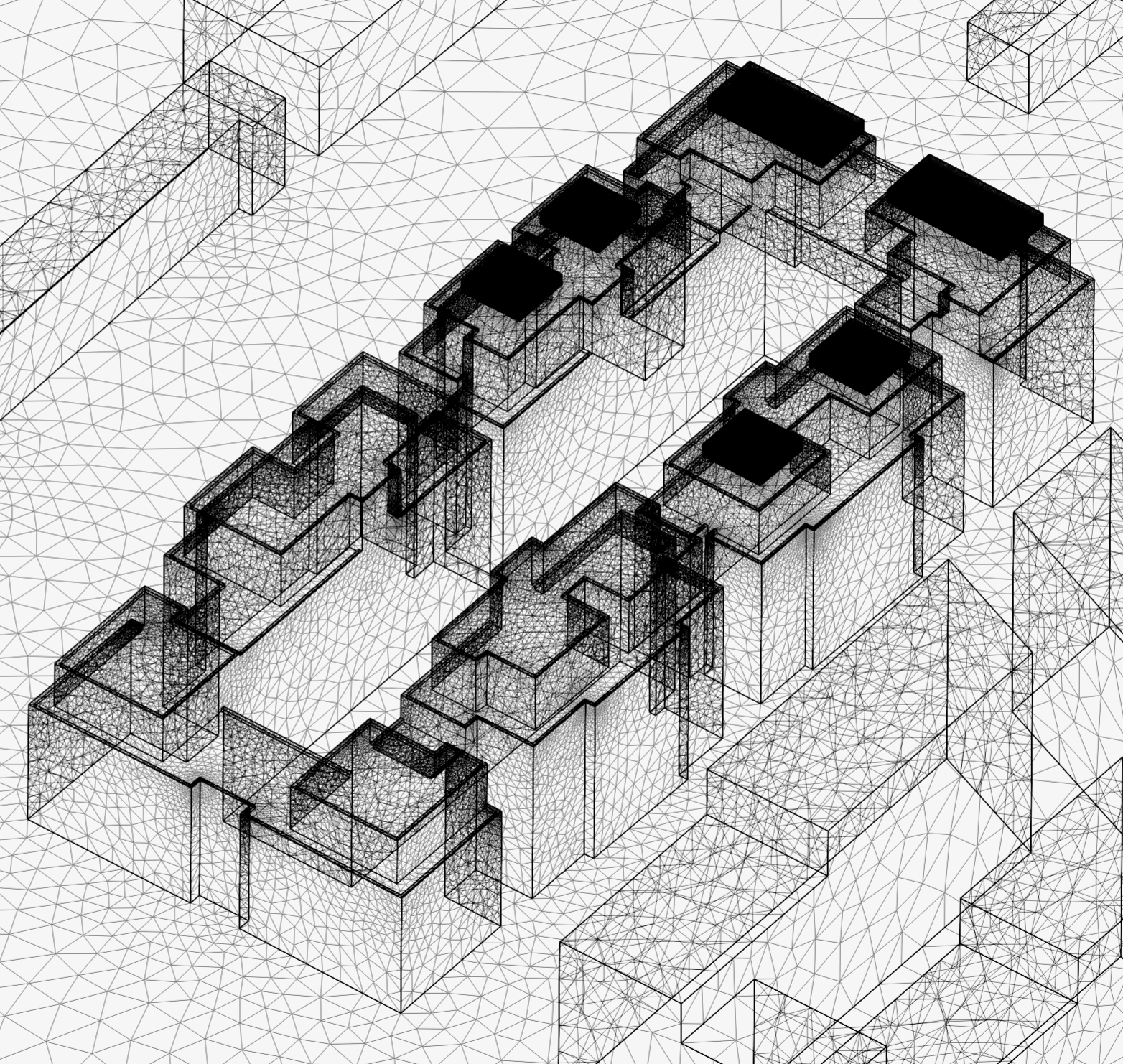
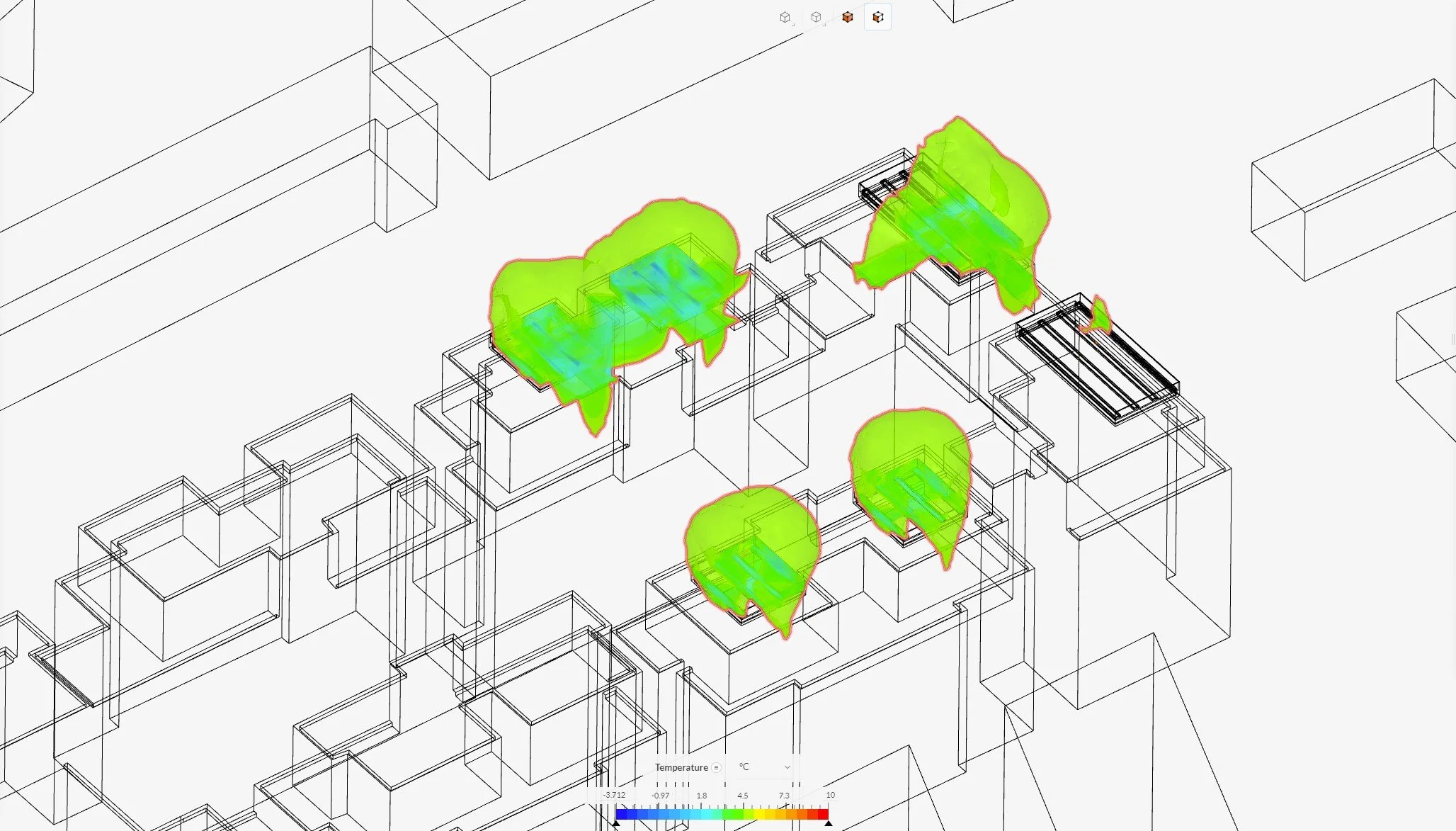
To support this project, JGC collaborated closely with Element Designs to model the performance of the air source heat pump array under various layout configurations. Through CFD modelling, JGC simulated airflow patterns, predicted temperature distributions, and assessed the potential risks of recirculating heated exhaust air back into the system’s intakes. This kind of recirculation can significantly reduce heat pump efficiency and system performance if not adequately mitigated.
Based on the modelling results, JGC recommended specific mitigation measures to minimise the likelihood of recirculation and optimise the heat pump array's thermal and acoustic impact on the surrounding environment. These measures included adjustments to the heat pumps' spatial arrangement, changes to the orientation and height of discharge vents, and the incorporation of suitable acoustic barriers and screening elements where necessary.