
Bradford Energy Centre
CFD modelling of air source heat pumps supplying a centralised heat network
Client: 1 Energy Limited
Status: Under Construction
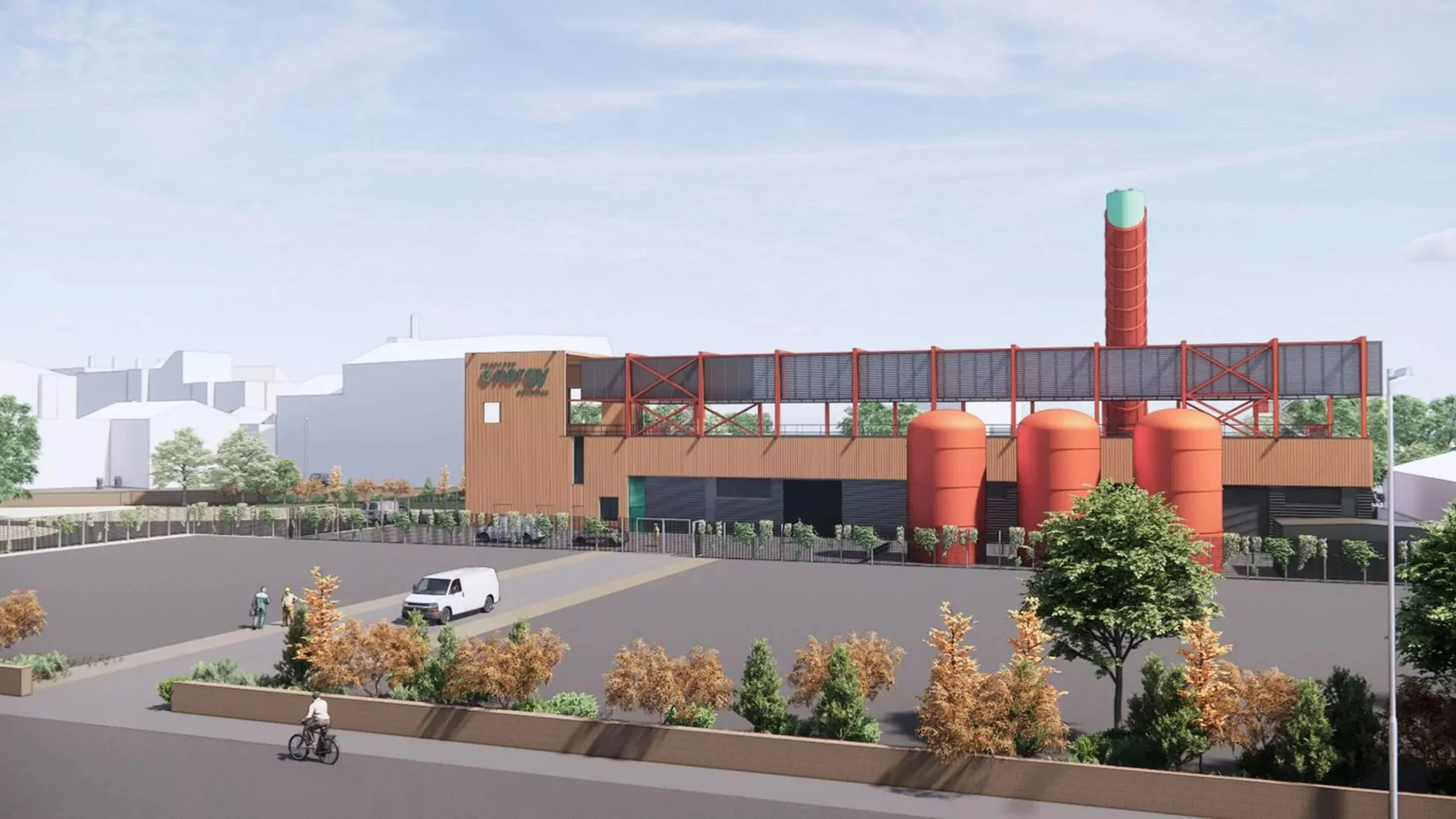
OVERVIEW
JGC provided Computational Fluid Dynamics (CFD) modelling for the Bradford Energy Centre, a flagship development supporting Bradford’s new city centre district heating network. This innovative project will be one of the UK's first large-scale district heating networks to utilise air-source heat pumps (ASHPs), marking a crucial step in the transition to low-carbon energy solutions.
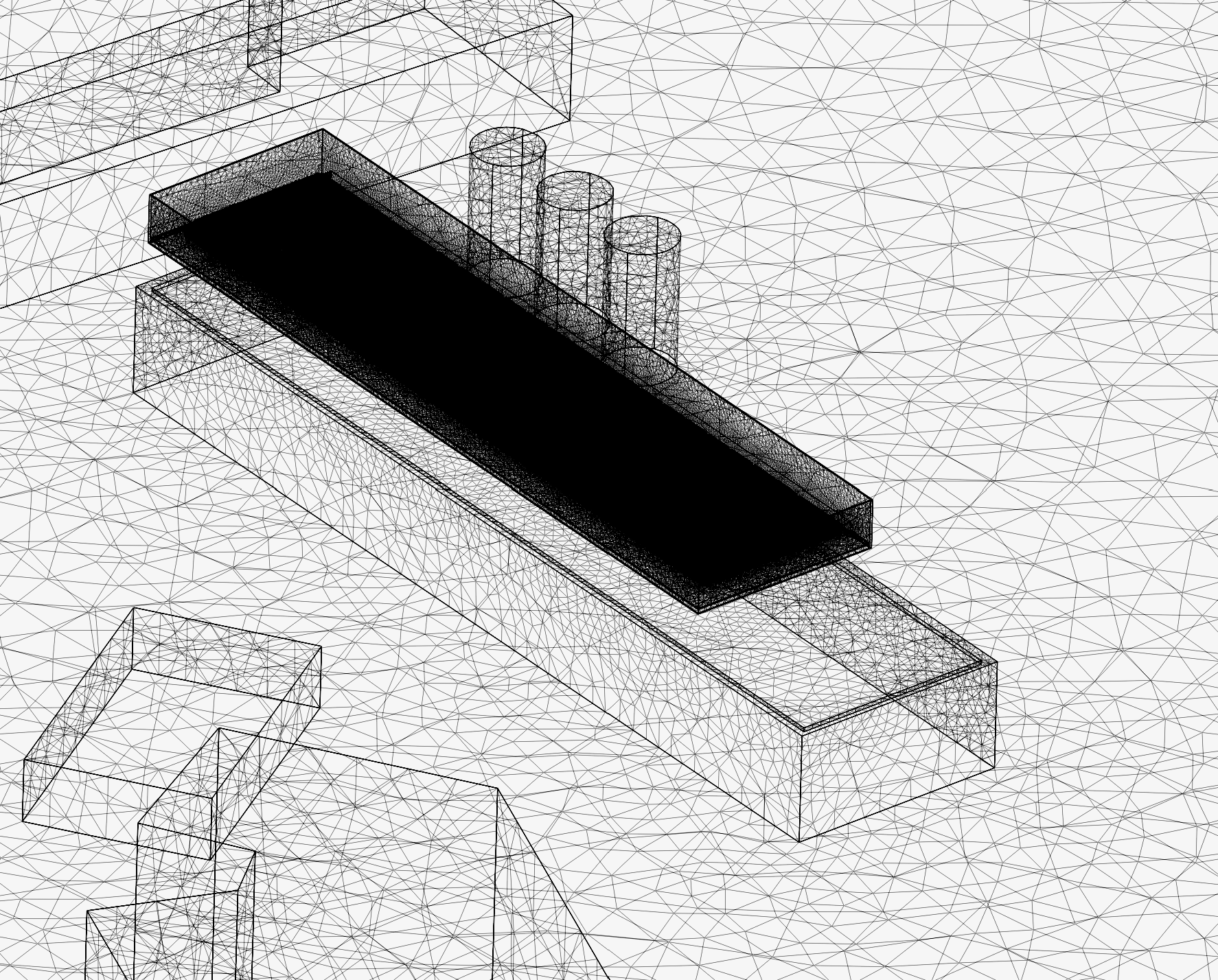
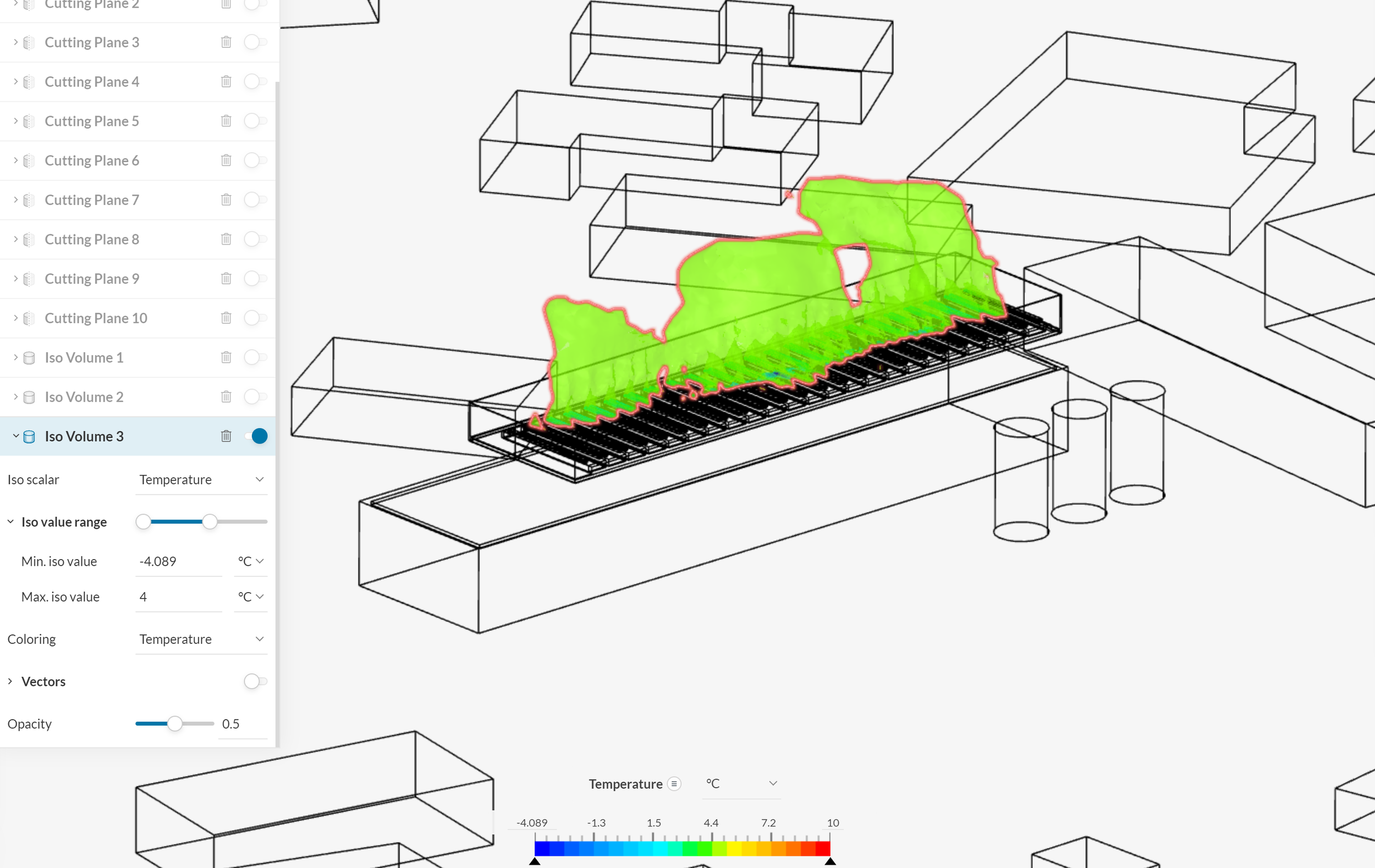
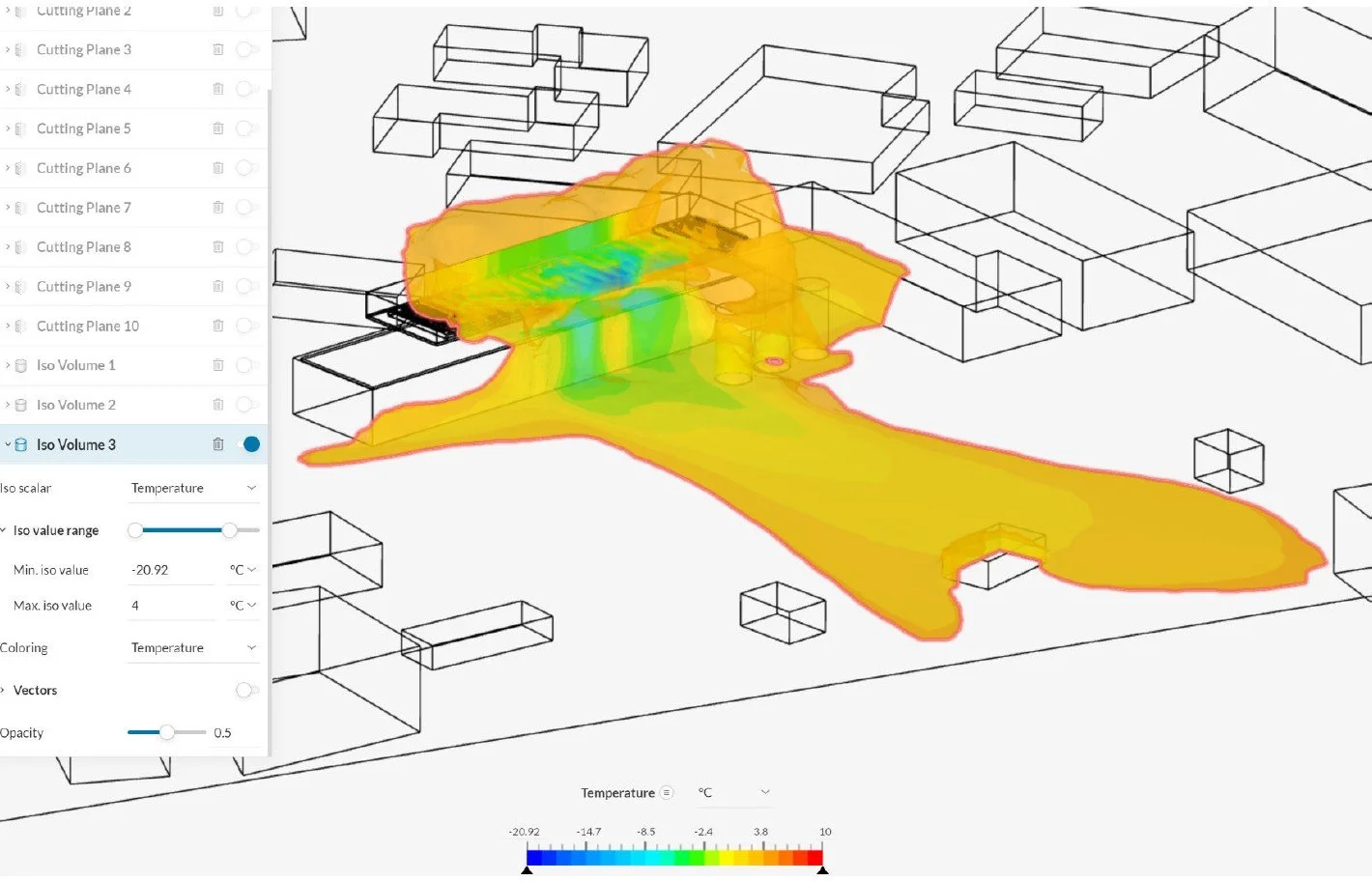
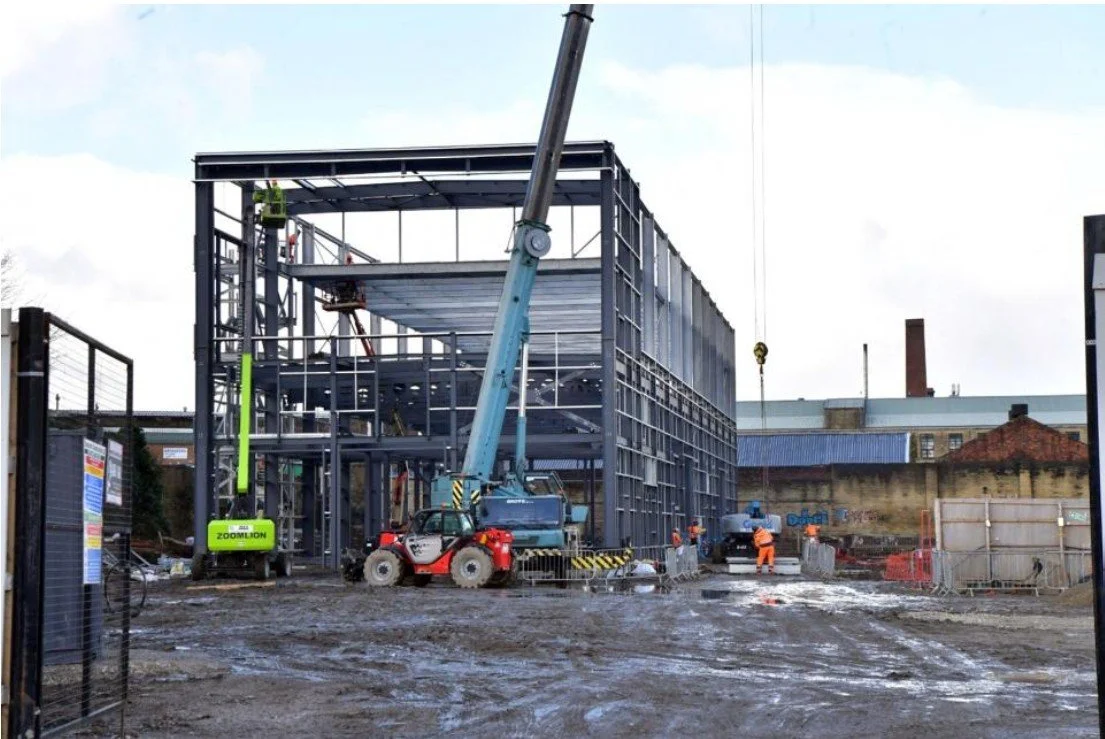
The £70 million network will supply sustainable heating to around 10,000 homes, helping to reduce carbon emissions and support Bradford’s net-zero ambitions. Central to the scheme is an 8MWth air source heat pump array, one of the largest of its kind in the country. The project is scheduled for completion in summer 2027.
Working closely with 1Energy and Element Designs, JGC used advanced CFD modelling to determine the optimal layout for the ASHP array within the space constraints of the new energy centre. Various configurations were assessed to ensure optimal performance while accounting for the influence of neighbouring buildings on airflow and heat dispersion.
Through CFD modelling, JGC identified and resolved potential issues, such as the risk of recirculation, in which exhaust air might be drawn back into the heat pumps, compromising efficiency. Additionally, we addressed the risk of cold pluming, where visible vapour clouds could affect nearby buildings and public areas. These concerns were mitigated through changes in the spatial configuration and effective load management strategies for the array, ensuring reliable operation and minimising the environmental impact. The modelling also allowed us to simulate varying load conditions to fine-tune operational strategies and consider when backup systems may be used to optimise system performance.
Through detailed analysis and practical recommendations, JGC played a key role in shaping the design of the Bradford Energy Centre, helping to deliver a resilient, efficient, and environmentally responsible heat network for the future.